Choosing carpet for your home is a big investment—and one that can dramatically impact comfort, appearance, and resale value. Before you buy, it’s important to consider the material, durability, room suitability, underlay, and warranty options to ensure the carpet you select will suit your lifestyle and budget.
5 Essential Things to Know Before Buying Carpet in New Zealand
Whether you’re renovating, building new, or simply replacing tired flooring, here’s what you should consider before heading into a carpet store.
1. Choose the Right Carpet Material
Carpet comes in various fibres—each with its own benefits:
- Wool Carpet
Natural, breathable, and luxurious, wool is a premium choice that offers excellent insulation and durability. It’s ideal for colder climates and adds a soft, plush feel underfoot. - Solution-Dyed Nylon
A popular option in Kiwi households, this synthetic fibre is known for its stain resistance, colourfastness, and long-lasting performance—perfect for busy families or rental properties. - Polyester or Polypropylene
Generally more affordable, these options can be soft and colourful but may not perform as well in high-traffic areas.

2. Match Carpet to Room Usage
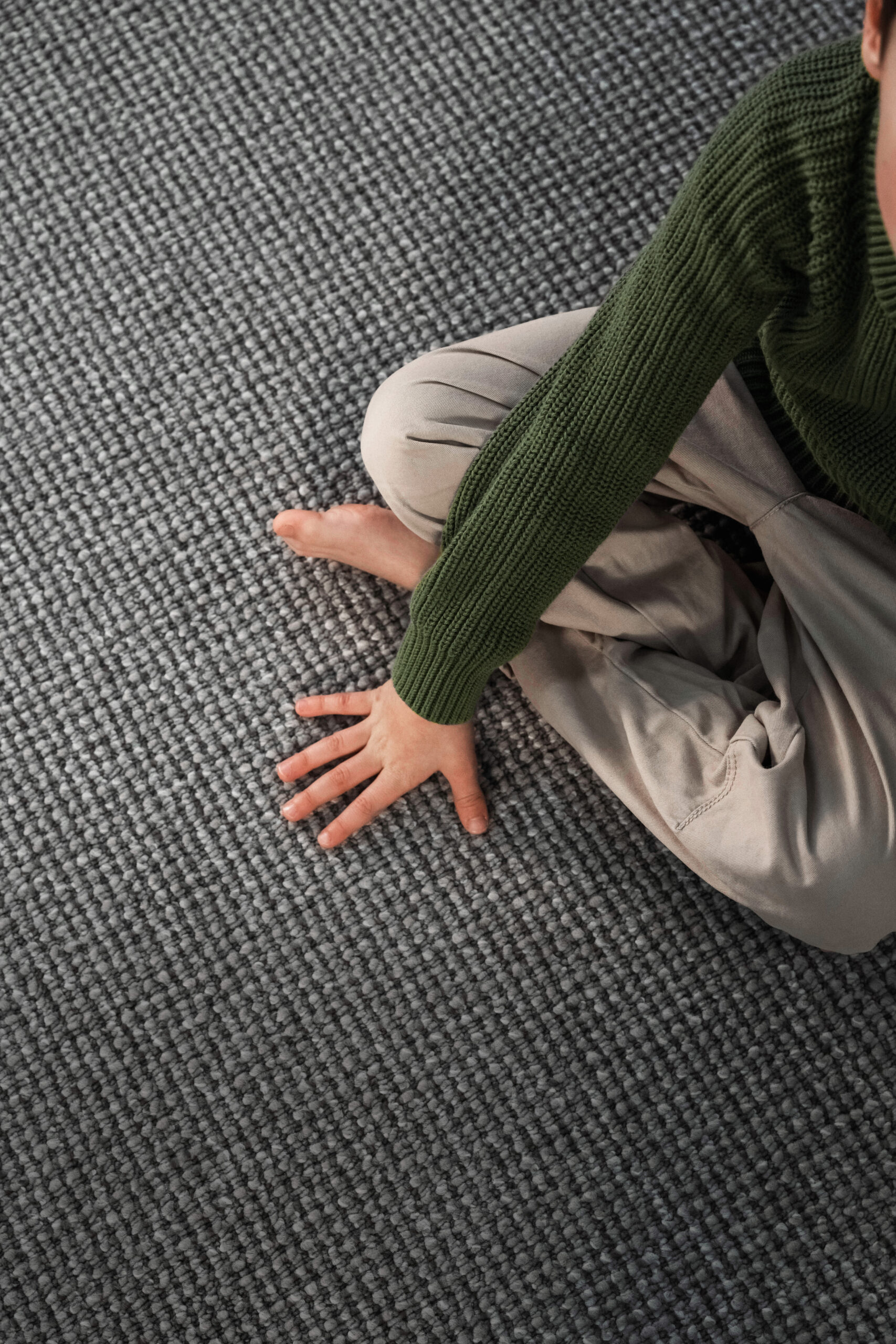
- High-traffic areas like hallways, lounges, and stairs benefit from durable, low-pile carpets like solution-dyed nylon.
- Low-traffic areas like bedrooms are ideal for plush, softer carpets—especially wool or textured cut-pile styles.
- Consider pets, kids, and lifestyle when choosing your fibre and pile type.

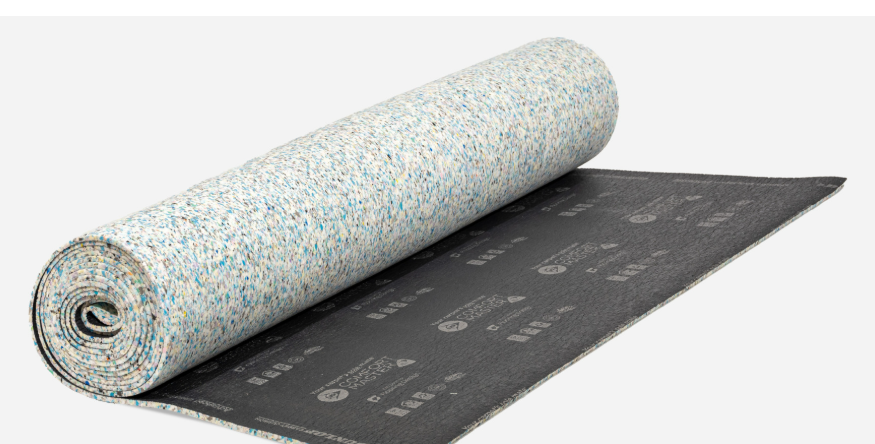
3. Don’t Overlook the Underlay
Underlay might not be visible—but it makes a big difference in:
- Comfort underfoot
- Thermal insulation and soundproofing
- Extending the life of your carpet
A high-quality underlay is worth the investment, especially if you’re choosing a thinner or more budget-friendly carpet.

4. Understand Carpet Maintenance Needs
All carpets require care, but some are easier to maintain than others.
Look for loop pile styles in busy zones, as they tend to show less wear.
Wool repels dirt naturally but should be vacuumed regularly and steam cleaned annually.
Synthetic carpets are usually stain-resistant and easier to spot-clean.

5. Always Get a Professional Measure & Quote
Carpet pricing depends not just on the per-square-metre cost, but also on:
- Accurate room measurements
- Installation complexity (stairs, awkward corners, etc.)
- Matching patterns and joins
Getting a proper measure ensures less waste and a better fit. Most professional retailers offer this as a free or low-cost service.

Bonus Tip: Ask About Warranties
Look for carpets that come with stain, wear, and fade warranties, especially if you’re installing in sun-drenched areas. These can offer peace of mind and added value over time.
Let’s Take the Guesswork Out of Choosing Carpet
From fibre type to underlay thickness, there’s a lot to consider when buying carpet—but you don’t have to make the decision alone.
Want personalised advice tailored to your space and budget?
Our friendly flooring experts at Flooring Design can walk you through your options, show you samples, and give you an accurate quote.
Visit your local Flooring Design store today or book a free in-home measure and quote online. We’ll help you find the perfect carpet—without the stress.