Keeping your carpets looking their best requires the right combination of regular maintenance, prompt stain treatment, and professional cleaning. Whether you have wool or solution dyed nylon carpets, understanding how to vacuum, protect from wear, manage spills, and prevent colour fading ensures your carpet stays soft, vibrant, and long-lasting. This guide provides practical tips and expert advice for everyday care, stain removal, and preserving the appearance and durability of all carpet types in your home.
1. Regular Vacuuming: The Foundation of Carpet Care
Frequent and thorough vacuuming is the most important step in prolonging carpet life and maintaining appearance. Dirt and grit that settle into fibres can abrade the pile and dull colours.
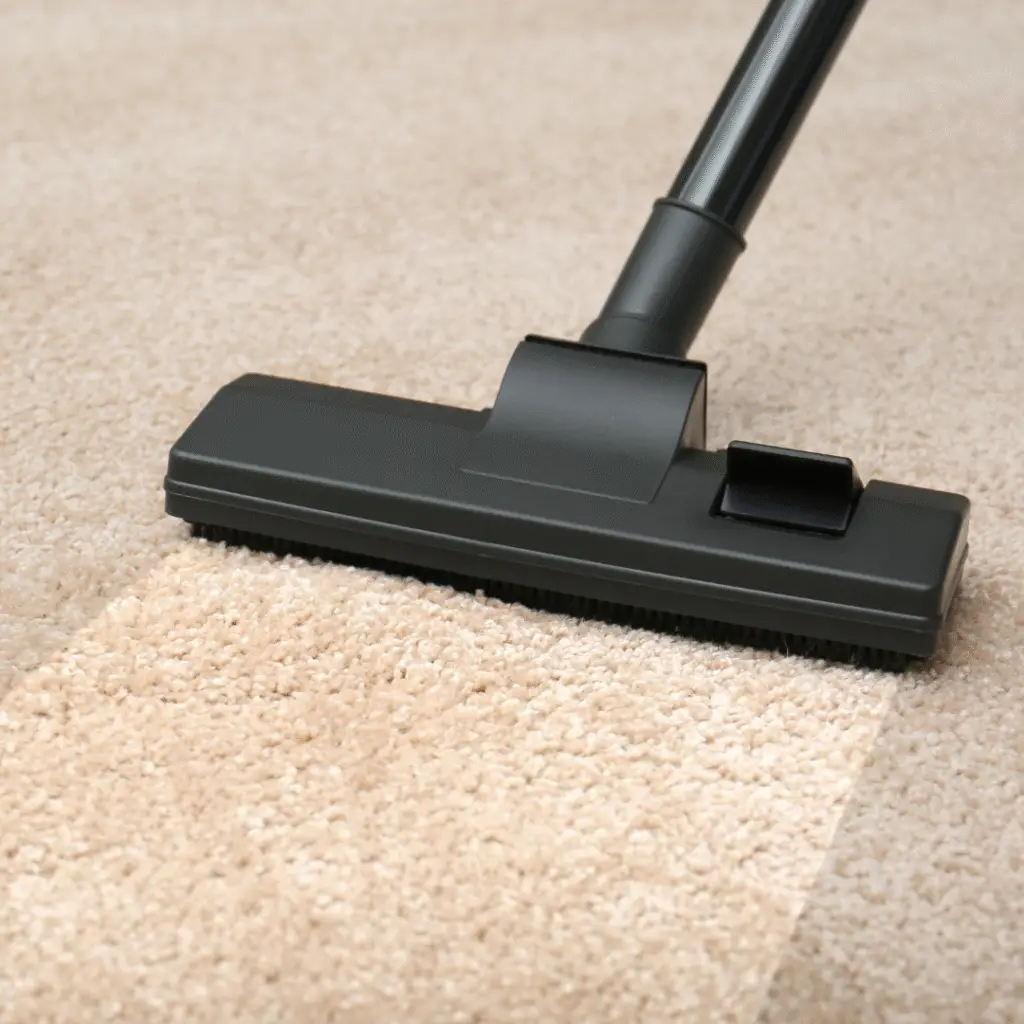
- Frequency: Vacuum at least once a week; increase in high-traffic areas.
- Technique:
- 3 passes for lightly soiled areas
- 5–7 passes for heavily soiled areas
- Vacuum against the pile first to lift fibres, then with the pile for a smooth finish.
- Vacuum selection:
- Cut pile carpets: High setting for beater bars to lightly touch the surface.
- Loop or long pile carpets (cut loop, berber): Suction only; avoid brushes that can cause fuzzing.
- Other constructions: Beater bars can agitate and lift dirt.
Tip: Keep your vacuum in good condition. Empty dust bags, clean brushes, and replace filters regularly.
2. Professional Steam Cleaning
Even with regular vacuuming, carpets accumulate oily or sticky residues that dull colours. Professional steam cleaning every 12–18 months revitalises fibres and removes deep-seated dirt.
- Must be done by a qualified professional in accordance with AS/NZS 3733 standards.
- Avoid DIY shampooing, home steam cleaning, or dry cleaning, as these may damage fibres.
3. Protecting Your Carpet
Small preventative measures help reduce wear and damage:
- Door mats: Trap dirt and moisture from shoes. Clean mats regularly.
- Furniture cups and coasters: Prevent dents and pressure marks. Rearrange furniture occasionally.
- Rugs and carpet protectors: Ideal for high-traffic areas; clean regularly and check for colourfastness.
- Sunlight protection: Use curtains, blinds, or shades to prevent fading.
- Pest prevention for wool carpets: Vacuum corners and under furniture to deter moths or carpet beetles. Minor infestations can be treated with insecticidal sprays, but professional help is recommended for severe cases.
4. Spot Cleaning: Handle Spills Immediately
Prompt attention prevents stains from penetrating fibres.
Basic Steps for All Carpets:

- Remove solids and blot liquids: Use a blunt knife or spoon for solids; blot liquids with white paper towels or tissues. Work from outside in to prevent spreading.
- Cold/warm water treatment: Most stains can be removed with water. Repeat blotting until no colour transfers.
- Mild detergent or vinegar for stubborn stains:
- 1 tsp laundry detergent + 1 tsp white vinegar in 1 litre of warm water.
- Apply carefully, rinse with cold water, and blot dry.
- Drying: Place layers of white paper towels with a flat weight. Use a hair dryer on low heat if necessary. Avoid walking on damp carpet.
- Wicking: Stains may reappear as the carpet dries. Repeat treatment until fully removed.
- Professional help: Persistent stains require a qualified carpet cleaner to prevent damage.
Never scrub carpets, as this can damage fibres or alter texture.
5. Wool Carpet Specific Care
Wool is a natural fibre with unique properties.
- Insect treatment: Most wool carpets are treated with non-toxic insect deterrents. Vacuuming remains essential.
- Colour variation: Minor differences between production runs are normal.
- Shedding: Loose fibres in new cut pile carpets are removed with vacuuming.
- Matting & fuzzing: Caused by fibre entanglement; vacuuming reduces matting.
- Wrinkling (Rucking): Excess humidity, underlay issues, or heavy furniture may cause wrinkles. Professional re-stretching can correct this.
- Tracking/Footprints & Pile Reversal: Long or glossy piles may show footprints or shading; this is normal and can be reduced with brushing or vacuuming.
6. Triexta Carpet Specific Care
Triexta carpets are stain-resistant and durable, ideal for busy homes:
- Vacuuming: Same guidelines as wool; adjust vacuum settings for pile type.
- Spot cleaning: Cold water is usually sufficient; follow the “outside in” blotting method.
- Appearance retention: Fuzzing or matting may occur in high-traffic areas; shearing or professional cleaning can restore appearance.
- Colour variation & design characteristics: Minor differences and phasing are normal; they do not affect performance.
7. Carpet Characteristics to Expect
Regardless of type, all carpets experience natural changes over time:
- Colour changes: Due to sunlight, ozone, or household chemicals. Protect carpets with window coverings and rotate furniture.
- Matting & pile flattening: Caused by foot traffic and fibre entanglement.
- Shedding: Loose fibres are normal in new cut pile carpets.
- Shift lines, phasing, and panelling: Normal design features that do not affect durability.
- Pattern bowing & skewing: Small tolerances are acceptable; a skilled installer can minimise visible irregularities.
8. Final Tips for Long-Lasting Carpets
- Vacuum weekly, and more in high-traffic areas.
- Schedule professional steam cleaning every 12–18 months.
- Protect from spills, furniture pressure, and sunlight.
- Promptly treat stains using gentle, water-based methods.
- Inspect wool carpets for pests regularly.
With the right care, your carpet—whether wool, Triexta, or other fibres—will remain soft, vibrant, and durable for years.