Flooring trends in 2026 are shifting in a clear direction: warmth, practicality, natural textures, and low-maintenance living. Across New Zealand, homeowners are moving away from cool greys and high-gloss finishes and choosing flooring that feels more natural, comfortable, and suited to everyday life.
Whether you’re renovating, building new, or updating a single room, understanding these flooring trends will help you choose materials that look modern now and still feel timeless in years to come.
This guide breaks down the key 2026 flooring trends in New Zealand homes, including carpet, vinyl, hybrid, laminate, and timber-inspired options.
1. Warm, Natural Colour Palettes Are Replacing Cool Greys
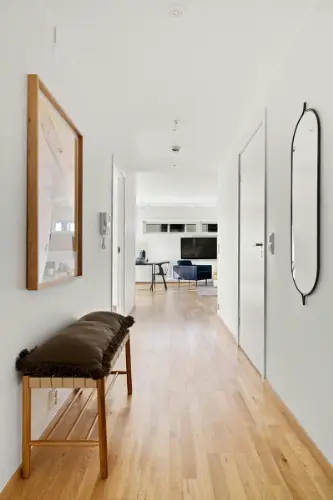
One of the strongest flooring trends in 2026 is the continued shift away from cool grey tones toward warm, earthy neutrals.
Across NZ homes, popular flooring colours now include:
- Warm oak and honey timber tones
- Soft beige and sandy neutrals
- Caramel and mid-brown wood looks
- Muted walnut-inspired finishes
These tones create a more inviting, grounded feel and work well with both modern and traditional New Zealand architecture.
Warm flooring also pairs easily with popular interior styles such as:
- Coastal Kiwi homes
- Scandinavian-inspired interiors
- Modern minimalist designs with natural textures
This shift reflects a broader design movement toward homes that feel more comfortable and less “staged.”
2. Natural Texture and Matte Finishes Are In
Glossy, high-shine flooring is quickly falling out of favour. In 2026, homeowners are prioritising matte, textured finishes that feel more realistic and practical.
This applies across all flooring types, including:
- Timber flooring
- Vinyl plank
- Laminate
- Hybrid flooring
- Carpet textures
Textured flooring is popular because it:
- Hides everyday dust and footprints better
- Feels more natural underfoot
- Mimics real timber or stone more closely
- Reduces the “plastic” look of older vinyl products
In New Zealand homes—especially busy family households—this trend is strongly tied to practicality as much as aesthetics.
3. Hybrid Flooring Continues to Grow in Popularity
Hybrid flooring remains one of the fastest-growing categories in NZ homes in 2026.
It combines the best features of laminate and vinyl, making it a strong all-round choice for modern living.
Homeowners are choosing hybrid flooring because it is:
- Waterproof or highly water-resistant
- Durable in high-traffic areas
- Easy to clean and maintain
- Suitable for kitchens, dining areas, and living spaces
Hybrid flooring is especially popular in open-plan Kiwi homes where continuity between rooms is important.
It’s also becoming a go-to option for families who want the look of timber without the upkeep.
4. Carpet Is Evolving, Not Disappearing
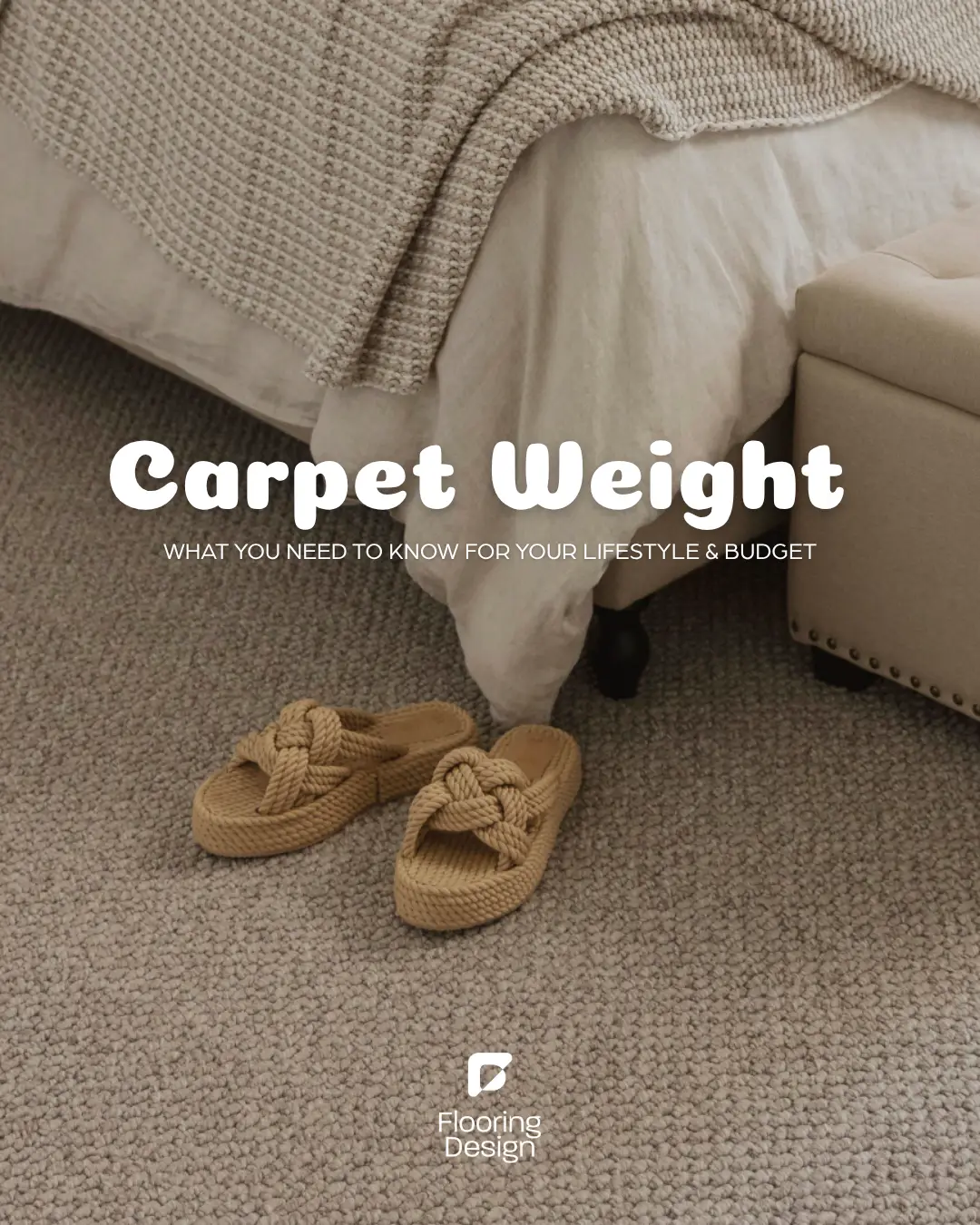
While hard flooring is growing in popularity, carpet is still a major feature in New Zealand homes—especially in bedrooms and lounges.
The key change in 2026 is not that carpet is fading, but that it is becoming more performance-focused and lifestyle-driven.
Modern carpet trends include:
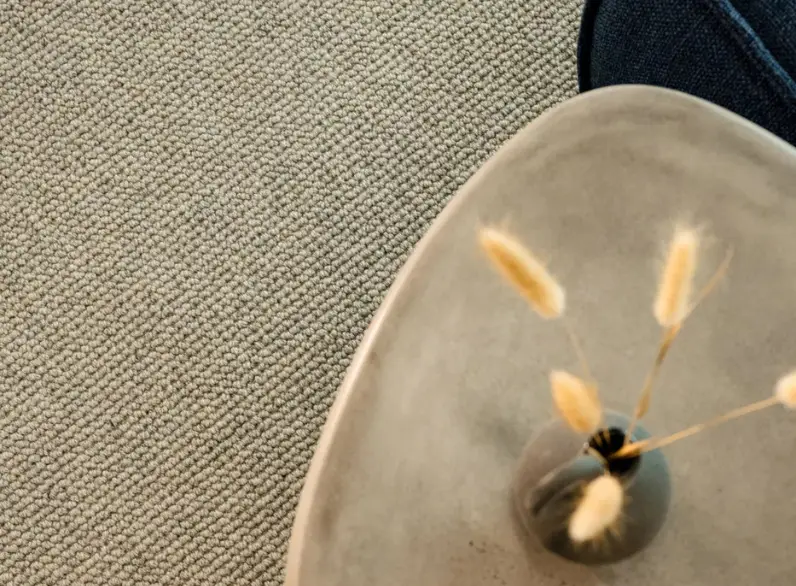
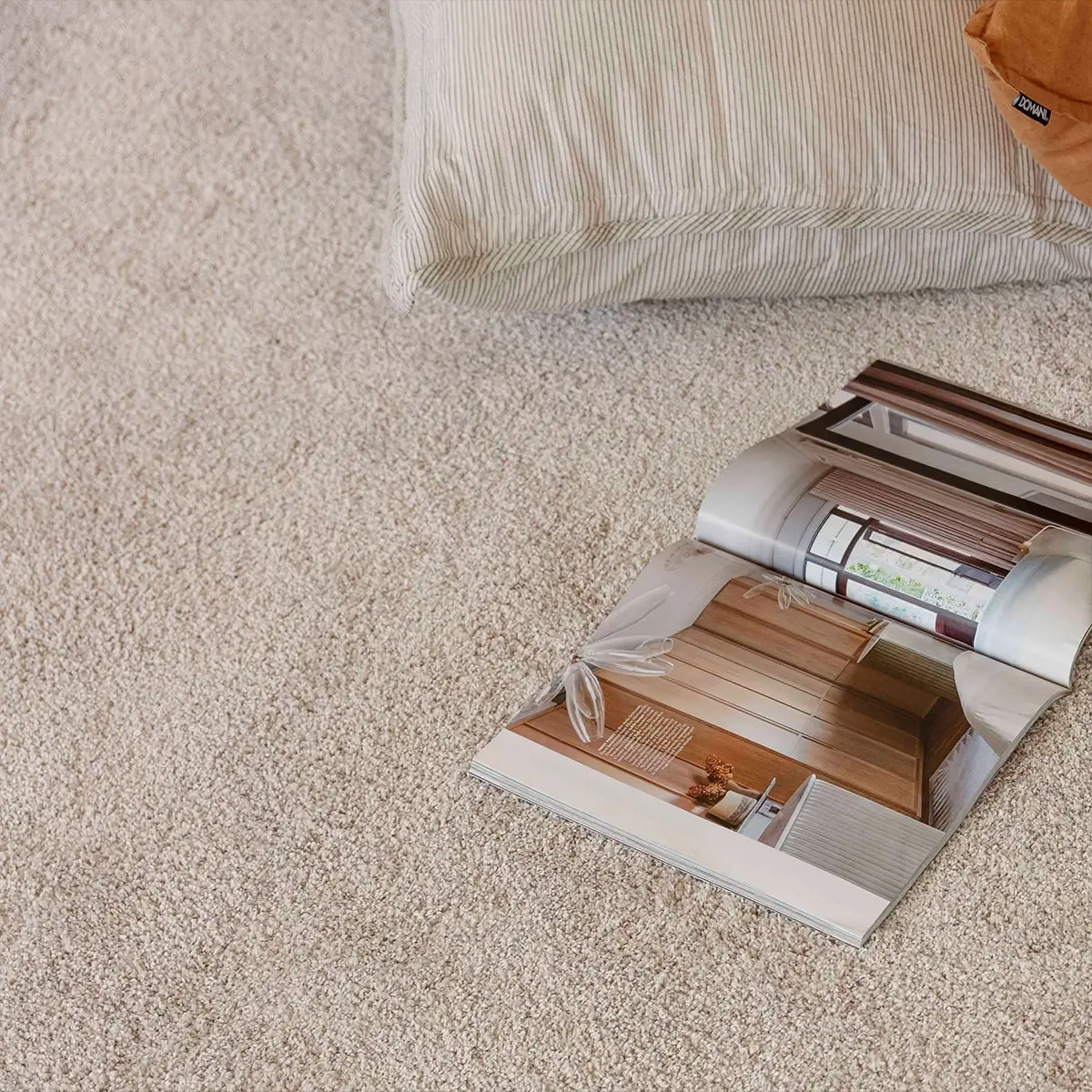
- Soft, warm neutral tones (oatmeal, beige, stone)
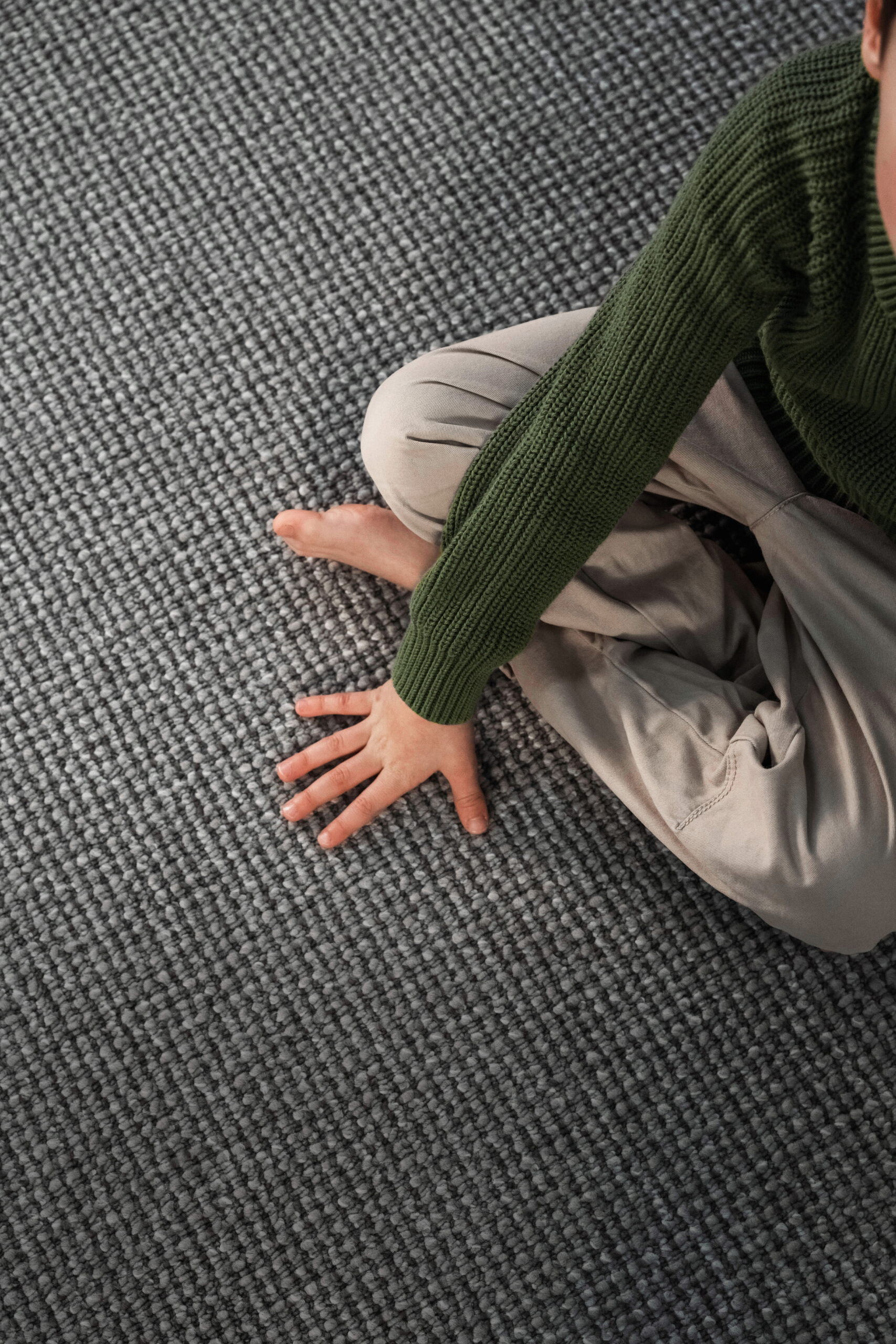
- Subtle textures and low-profile pile styles
- Stain-resistant fibres designed for busy homes
- Darker tones in media rooms or high-use family spaces
Carpet remains popular because it still offers:
- Warmth in colder NZ climates
- Acoustic comfort in multi-level homes
- A soft, comfortable surface for bedrooms
However, it is increasingly being used strategically rather than throughout the entire home.
5. Flooring as a “Design Feature,” Not Just a Surface
A major global influence in 2026 is the idea that flooring is no longer just a background element—it is becoming a design feature in its own right.
In New Zealand homes, this shows up as:
- Feature flooring in entryways
- Patterned layouts in hallways
- Contrasting flooring between zones
- Flooring used to define open-plan spaces
This is particularly common in modern builds where open-plan living needs subtle visual zoning.
Rather than using walls, designers are using flooring changes to define:
- Kitchen vs dining areas
- Living vs hallway spaces
- Private vs shared zones
This creates structure without closing off space.
6. Patterned Flooring Is Making a Subtle Comeback
Bold patterns are not dominating homes—but refined, structured patterns are returning in a more understated way.
In 2026, popular flooring patterns include:
- Herringbone timber or timber-look flooring
- Chevron layouts in entryways
- Large-format tiles with subtle variation
- Soft checkerboard tile designs in selected spaces
In New Zealand homes, these patterns are typically used sparingly to add interest without overwhelming a space.
Herringbone, in particular, is being used in:
- Hallways
- Entryways
- Feature living room zones
It adds a sense of craftsmanship and visual movement while still feeling timeless.
7. Large Planks and Wide Formats Are Dominating
Another strong trend in 2026 is the move toward larger format flooring materials.
This includes:
- Wide plank hybrid and laminate flooring
- Long timber-style boards
- Large-format tiles in kitchens and bathrooms
The benefits of larger formats include:
- Fewer joins and cleaner visual flow
- A more modern, high-end appearance
- The illusion of larger interior spaces
- Easier alignment in open-plan layouts
This trend is particularly strong in new builds across Auckland, Christchurch, and Queenstown, where open-plan living is standard.
8. Low-Maintenance Flooring Is Now a Priority
Across New Zealand, homeowners are increasingly prioritising practical, easy-care flooring over purely aesthetic choices.
This is driving demand for:
- Waterproof vinyl and hybrid flooring
- Stain-resistant carpet options
- Scratch-resistant surface coatings
- Flooring that is easy to clean with minimal effort
This shift is heavily influenced by:
- Busy family lifestyles
- Pets indoors
- Rental property demand
- Multi-use living spaces
In 2026, flooring is expected to look good—but also perform in real life without constant upkeep.
9. Mixing Flooring Types Within the Same Home
Rather than using one flooring type throughout the entire house, many New Zealand homeowners are now mixing materials strategically.
A common 2026 layout looks like:
- Carpet in bedrooms for warmth and comfort
- Hybrid or vinyl in living areas for durability
- Tile or waterproof flooring in bathrooms and laundries
- Timber-look flooring in entryways or feature spaces
This blended approach allows homeowners to match flooring performance to room function, improving both longevity and comfort.
It also helps manage cost while still achieving a high-end design outcome.
10. Sustainable and Long-Lasting Choices Are Growing
Sustainability continues to influence flooring decisions in 2026.
While it is not always the primary driver, homeowners are increasingly looking for:
- Durable flooring with longer lifespans
- Products that reduce replacement frequency
- Natural-looking materials that age well over time
- Locally relevant design choices suited to NZ conditions
Rather than fast-changing trends, the focus is now on timeless flooring that lasts longer and performs better in everyday use.
Final Thoughts: What Flooring Trend Should You Follow in 2026?
The biggest takeaway for 2026 flooring trends in New Zealand is simple: comfort and practicality now matter just as much as design.
The most important trends to consider are:
- Warm, natural colour palettes replacing grey tones
- Matte, textured finishes over glossy surfaces
- Hybrid flooring for durability and versatility
- Carpet used strategically in comfort-focused spaces
- Large-format and wide-plank designs for modern homes
- Low-maintenance materials built for real life
Rather than chasing a single style, the best approach in 2026 is to choose flooring that suits your lifestyle, your home layout, and how you actually live day to day.
Need Help Choosing Flooring for Your Home?
Every New Zealand home is different, and flooring decisions depend on your space, budget, and lifestyle needs.
At Flooring Design, flooring specialists help homeowners compare carpet, hybrid, vinyl, laminate, and timber-look flooring to find the right fit for each room.
Whether you’re renovating one space or planning a full home upgrade, getting expert advice can help you avoid costly mistakes and choose flooring that performs long-term.