Walk into any carpet showroom and you’ll be faced with the same big decision: cut pile or loop pile? It sounds like a simple texture preference, but the choice actually has real consequences for how your carpet performs day to day, how it copes with pets and kids, and how long it stays looking good.
Most carpet buyers focus purely on colour and softness. The pile type gets far less attention, yet it’s arguably the single biggest factor in how well your carpet suits your household. Below, we’ve pulled together the insider knowledge our flooring specialists share with customers in-store every week, so you can walk in already knowing the right questions to ask.
Cut Pile vs Loop Pile: What’s the Difference?
Before getting into which one suits your home, it helps to understand the basic construction difference.
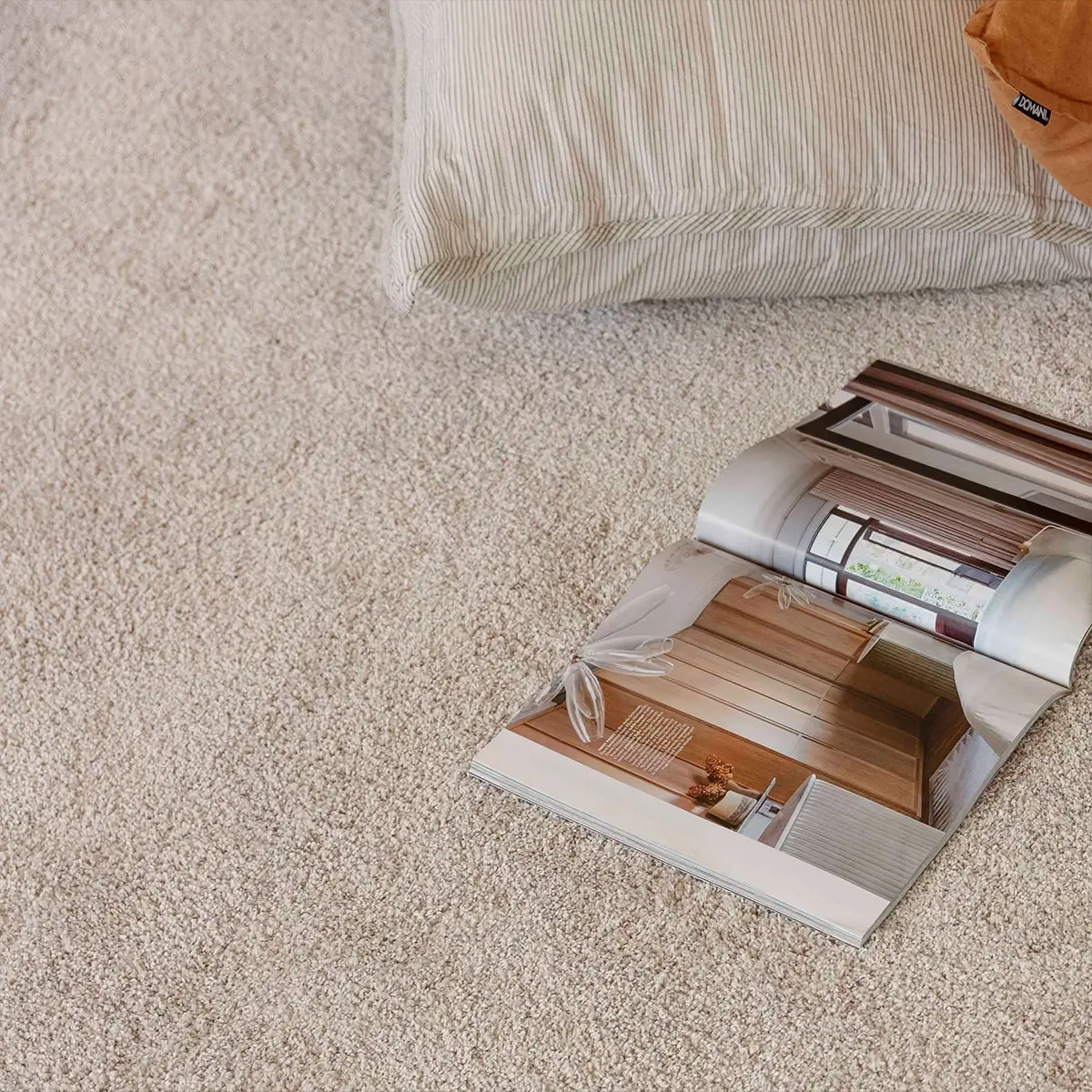
Cut pile carpet is made by cutting the yarn loops at the top, creating individual upright fibre tips. This is what gives cut pile carpets their soft, dense, plush feel underfoot. It’s the classic choice for bedrooms and living spaces where comfort is the priority.
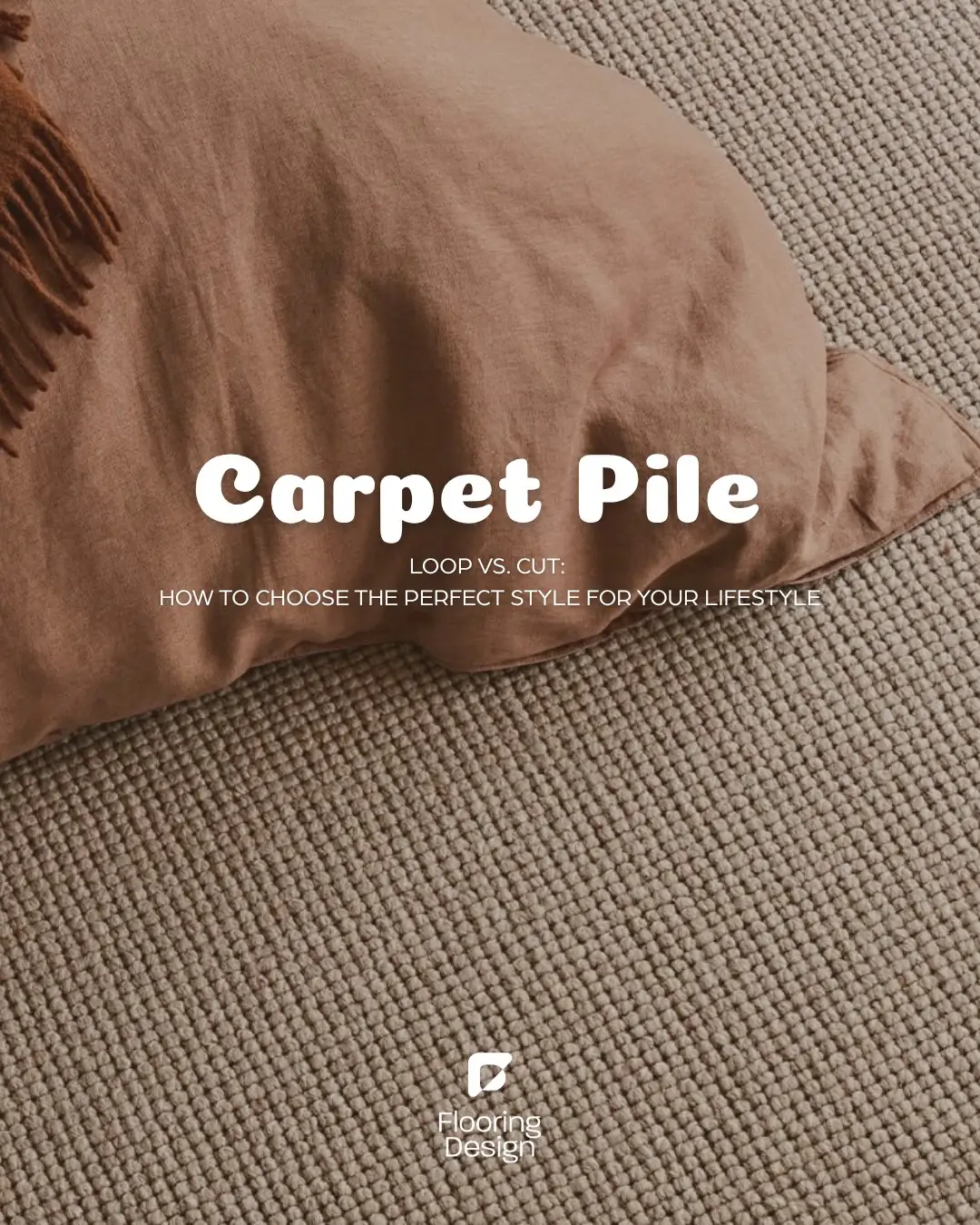
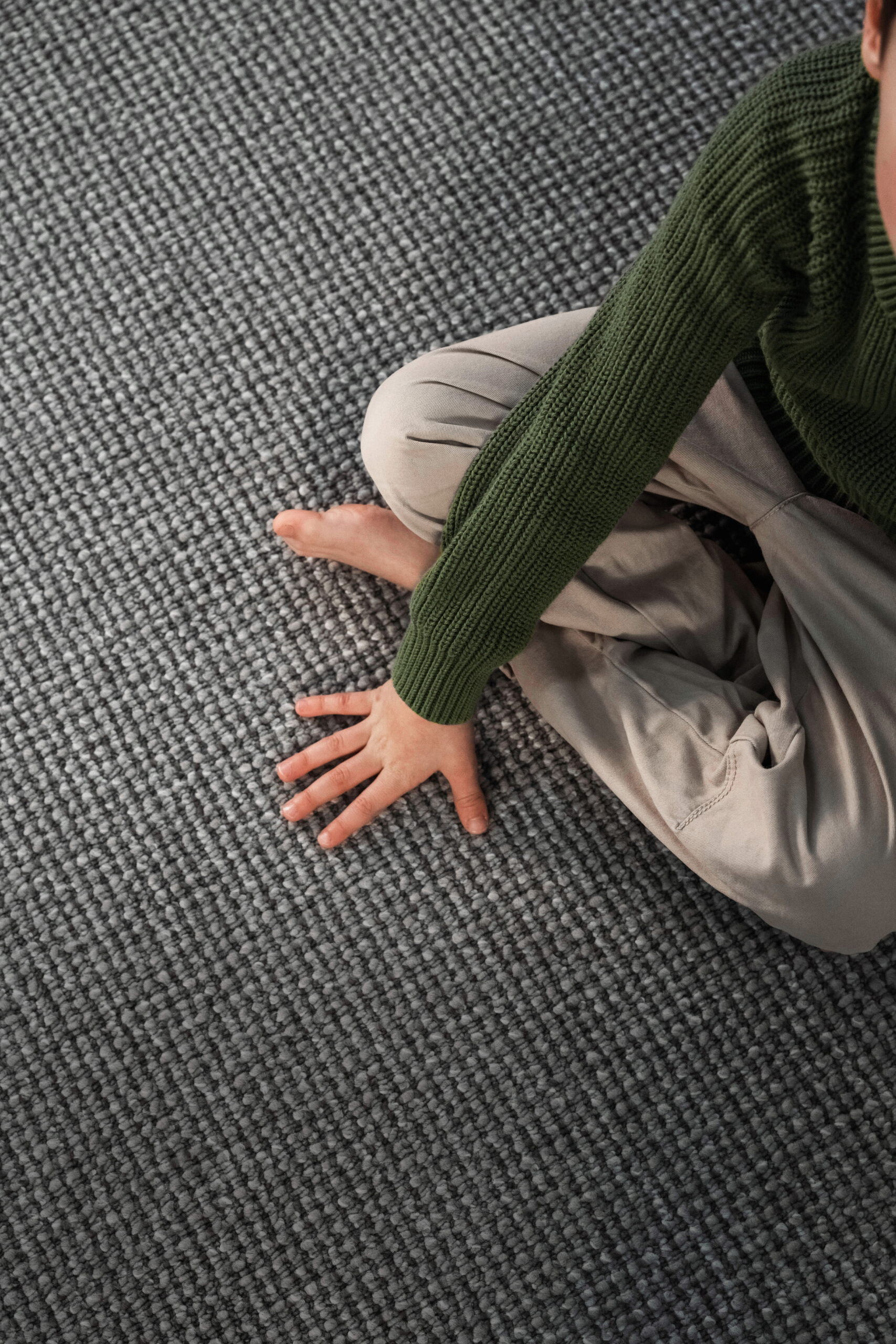
Loop pile carpet leaves the yarn loops intact and uncut, creating a looped, textured surface. Loop pile carpets tend to have a firmer, more structured feel and are often associated with a more casual or contemporary look.
Neither option is universally “better.” The right choice depends entirely on your household, your lifestyle, and what you’re trying to solve for.
The Pet and Kid Factor
If you share your home with pets, particularly cats or dogs with claws, or you’ve got a busy young family with toys constantly underfoot, cut pile is usually the safer bet. Loop pile carpet carries a real risk of snags and pulls: a claw catches a loop, or a toy gets dragged across the floor, and you can end up with a pulled fibre poking up out of an otherwise flat surface.
That said, if you love the textured look and feel of a loop pile and don’t want to rule it out entirely, there’s a middle ground. Choosing a loop pile with a smaller, tighter loop construction significantly reduces the risk of pulled fibres, since there’s less loop surface for claws or toys to catch on. It won’t eliminate the risk completely, but it’s a smart compromise if the loop look is non-negotiable for you.
Tracking and Flattening: The Trade-Off Nobody Tells You About
Here’s one of the biggest insider secrets in carpet buying: cut pile and loop pile have almost opposite strengths when it comes to visible wear.
Tracking refers to those footprint or vacuum marks that appear across a carpet’s surface, the shadowing you sometimes see running through a lounge or hallway. If tracking drives you mad, loop pile is your best friend. Its looped construction hides footprints and vacuum lines almost completely, because the surface doesn’t flatten and shift in the same visible way cut pile does.
Cut pile, on the other hand, is far more prone to showing tracking, and the effect gets worse as the pile gets heavier and plusher. A long, dense, luxurious cut pile will show every footprint and vacuum stroke, at least until the pile settles again. It’s a genuine trade-off: the plushness that makes cut pile so comfortable underfoot is the same quality that makes tracking more visible.
Loop pile also has the edge when it comes to long-term durability in heavy-traffic zones. Because the fibres are looped rather than left as free-standing tips, loop pile is incredibly hard-wearing and resists flattening far better over time. A long cut pile, by contrast, can gradually get squashed down in high-traffic areas like hallways and in front of couches, losing some of its original loft and bounce.
Matching Pile Type to Specific Needs
Beyond the general pet, kid and tracking considerations, there are a few specific situations where the right pile choice makes a genuine practical difference.
Mobility needs (wheelchairs and walking frames): If your home needs to accommodate a wheelchair or similar mobility equipment, stick to a lower-weight loop pile, paired with a direct-stick installation rather than carpet laid over underlay. This combination stops wheels sinking into the carpet, making movement around the home noticeably easier.
Easy vacuuming: If pushing a heavy vacuum cleaner is a challenge, avoid very long, high-pile carpets. A shorter, denser pile, whether cut or loop, is significantly easier to maintain and requires less physical effort to keep looking clean.
The “empty nest” reward: There’s also a lifestyle consideration that’s easy to overlook. Once the kids have moved out and the household has quietened down, the practical pressures that once ruled out a plush, premium loop pile often disappear too. Many homeowners treat this stage as the perfect opportunity to finally choose the lush, luxurious pile they’ve always wanted, without worrying about snagging toys or muddy paws.
The Underlay Hack Most Buyers Skip
Here’s the insider secret that gets overlooked more than any other: the pile type you choose matters, but the underlay underneath it matters just as much, if not more.
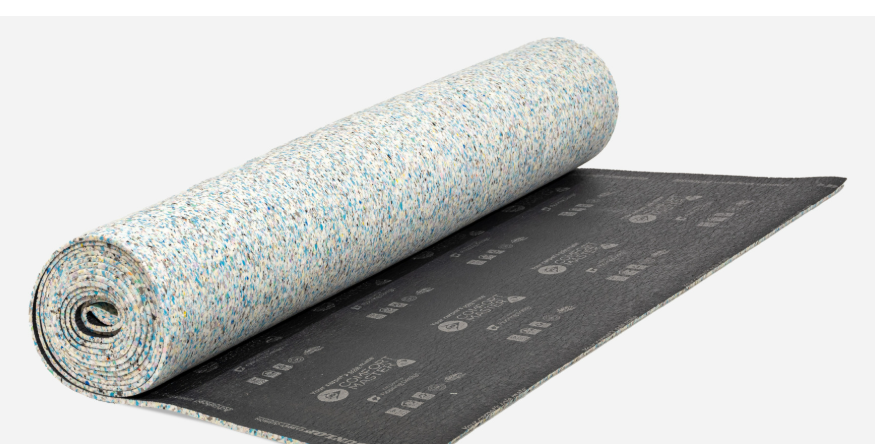
Upgrading your underlay is a surprisingly small cost, often as little as an extra $10 per lineal metre, yet it delivers a disproportionately large return. A quality underlay extends the working life of your carpet by cushioning it against everyday wear, and it dramatically boosts underfoot comfort. In fact, spending that extra $10 on underlay typically improves how a room feels far more than spending the same $10 upgrading the carpet itself.
It’s a simple principle worth remembering: don’t let your entire budget go on the carpet and leave the underlay as an afterthought. A premium carpet on a poor underlay will wear faster and feel less comfortable than a mid-range carpet properly supported underneath.
Quick Comparison: Cut Pile vs Loop Pile
| Factor | Cut Pile | Loop Pile |
|---|---|---|
| Feel underfoot | Soft, plush, luxurious | Firmer, textured |
| Pet and kid safety | Lower snag risk | Higher snag risk (choose tight loops to reduce this) |
| Tracking visibility | More visible, especially with heavier pile | Hides tracking well |
| Wear resistance in high traffic | Can flatten over time | Highly hard-wearing |
| Best suited to | Bedrooms, formal living areas | Hallways, high-traffic family zones |
Frequently Asked Questions
Is cut pile or loop pile better for pets? Cut pile is generally the safer choice for homes with cats or dogs with claws, since loop pile carries a higher risk of pulled or snagged fibres. If you prefer the look of a loop, a smaller, tighter loop construction reduces this risk.
Does loop pile really hide footprints better than cut pile? Yes. Loop pile’s looped surface structure disguises tracking and vacuum marks far more effectively than cut pile, particularly compared to heavier, plusher cut pile carpets, which show tracking most visibly.
What carpet is best for wheelchair accessibility? A lower-weight loop pile installed using the direct-stick method, without underlay, is generally recommended for wheelchair or mobility equipment use, as it prevents wheels sinking into the carpet.
Is it worth upgrading carpet underlay? Yes. Underlay upgrades are relatively inexpensive, often around $10 extra per lineal metre, and typically improve comfort and extend carpet lifespan more than spending that same amount on a higher-grade carpet.
Can loop pile carpet still look luxurious? Absolutely. Premium loop pile carpets offer a rich, textured look and are especially well suited to households without the pet and toy-related snagging risks of a busy young family, such as homes in an “empty nest” stage.
See and Feel the Difference In-Store
Descriptions and photos can only tell you so much about how cut pile and loop pile actually feel and perform. Don’t guess online, pop into your local Flooring Design showroom to touch the samples, compare the textures side by side, and talk through your household’s specific needs with our team.
Whether you’re navigating a busy household with kids and pets, planning for mobility needs, or finally ready for that empty-nest treat, our specialists can help you weigh up pile type, weight and underlay together, so the carpet you choose is genuinely built for the way you live.