Most people do not think about replacing their carpet until something forces the issue — a stubborn stain that will not budge, a smell that lingers after cleaning, or a visitor who notices the worn hallway before you do. By that point, the carpet has usually been telling you it is time for a while.
Knowing when to replace carpet is genuinely useful. Replace too early and you waste money on flooring that had years left in it. Hold on too long and you end up living with something that affects the look, feel, and even the air quality of your home. This guide will help you understand what a realistic carpet lifespan looks like in New Zealand, what variables affect it, and most importantly how to recognise the signs that your carpet has genuinely run its course.
How Long Does Carpet Actually Last in New Zealand?
The honest answer is somewhere between 8 and 15 years, depending on four things: the quality of the carpet, the quality of the underlay beneath it, how much foot traffic it receives, and how well it has been maintained.
Most carpet manufacturers put the average replacement timeframe at 8 to 10 years, and that aligns with what flooring professionals see in practice across New Zealand homes. Inland Revenue’s depreciation schedule for residential rental properties assigns an estimated useful life of 8 years for carpet, a useful benchmark, though owner-occupied homes with consistent care often do better than that.
Here is how lifespan tends to break down by location in the home:
A living room or lounge in a family home will see the most foot traffic of any carpeted space. With four or more people using it daily, you are looking at 5 to 10 years before the wear becomes visible and the fiber texture starts to deteriorate meaningfully. Add pets, and that window shortens.
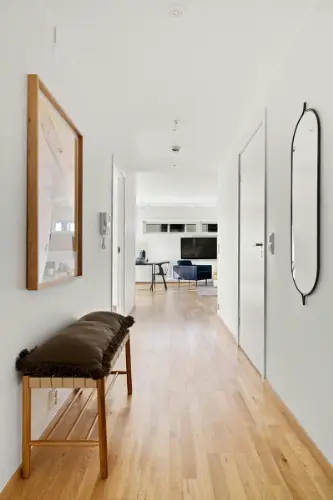
A hallway or staircase takes even more concentrated traffic than a living room. It is a path, not a space, and every person in the house walks over the same narrow strip of carpet multiple times a day. Hallway carpet often wears out before any other area in the home.
Bedrooms see far less traffic and typically last considerably longer; 12 to 15 years is realistic for a bedroom that is maintained reasonably well, and spare bedrooms can outlast that comfortably. This is one reason room-by-room replacement often makes more sense than replacing a whole house of carpet at once.
A rental property will generally see more variable care and higher turnover, meaning carpet tends to reach the end of its life sooner than in an owner-occupied home.
What Affects How Long Carpet Lasts?
Understanding the variables helps you set realistic expectations and make smarter decisions at purchase time.
Carpet quality is the single biggest determinant of lifespan. A quality solution dyed nylon or wool carpet, properly installed over good underlay, can last at the upper end of that 8–15 year range. A budget synthetic installed over thin underlay in a busy family home may look tired within five years. The cost difference at purchase time is rarely as large as the difference in how long the floor performs.
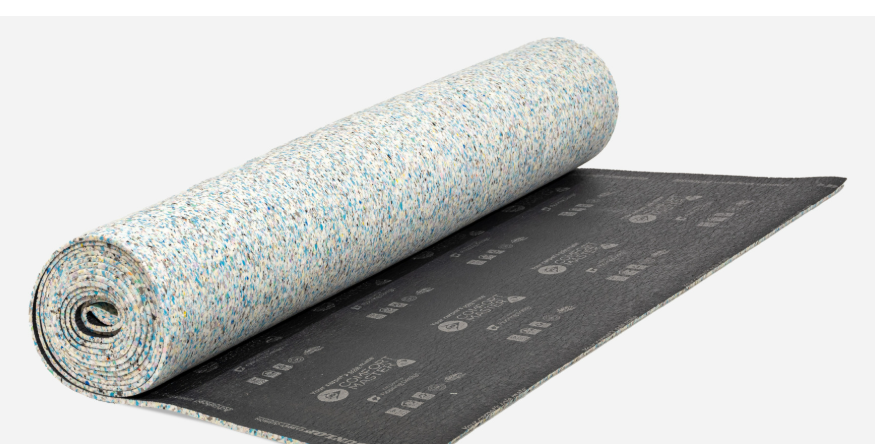
Underlay quality matters more than most people realise. As we cover in our underlay guide, good underlay acts as a shock absorber, cushioning each footfall so that the carpet fibers are not repeatedly compressed against a hard, unyielding surface. Carpet on inadequate underlay wears faster in every measurable way. If your carpet seems to have aged faster than expected, the underlay is often a contributing factor.
Foot traffic is the most variable factor across households. A retired couple in a two-bedroom house and a family of five with two dogs and regular visitors will have dramatically different experiences from the same carpet. Be honest about your household when setting expectations.
Maintenance extends carpet life meaningfully. Regular vacuuming two to three times a week in high-traffic areas removes the abrasive grit particles that, when ground in underfoot, act like sandpaper on carpet fibers. Professional cleaning every 12 to 18 months removes the deeper build-up that vacuuming cannot reach. How well carpet is cleaned is one of the biggest controllable factors in how long it lasts.
Eight Signs It’s Time to Replace Your Carpet
Age alone is not a sufficient reason to replace carpet; some carpets at twelve years look and perform better than others at seven. These are the signs that indicate the carpet has genuinely reached the end of its useful life, regardless of what year it was laid.
1. Matting and Flattening That Won’t Recover
All carpet compresses over time. The question is whether the fibers spring back. Good quality carpet, when well maintained, recovers between uses. Carpet that has reached its end of life mats down permanently, fibers clump together, the pile loses its texture, and no amount of vacuuming or cleaning restores it.
This is most visible in high-traffic corridors where the path people walk is clearly distinguishable from the surrounding carpet. Once fibres have matted to the point where they cannot be restored, the carpet has exhausted its structural life.
2. Persistent Odours That Survive Cleaning
Carpet accumulates odour over time. Cooking, pets, moisture, dust; all of it settles into the fibers, the backing, and eventually the underlay below. Professional steam cleaning can shift a great deal of this, but there comes a point where the smell is embedded too deeply for cleaning to resolve.
If your carpet smells persistently after a professional clean, the odour is likely coming from the backing or the underlay, neither of which can be addressed without removing the carpet. At that point, replacement is the practical solution, not another cleaning.
Pet odour is particularly problematic. When a pet has had repeated accidents in the same area, urine penetrates through the carpet and into the underlay and subfloor beneath. Cleaning the carpet surface treats only part of the problem, and the smell typically returns. Replacing the carpet and underlay and treating the subfloor before relaying is the only reliable fix.
3. Staining That Can’t Be Removed
A carpet that has accumulated stains over years to the point where they are numerous, overlapping, or simply too deep to treat is telling you something. Professional cleaning can achieve a great deal, but certain stains, bleach damage, old red wine, pet urine that has set into the backing are effectively permanent.
If your carpet looks acceptable only in the areas that see the least traffic, or if you are mentally mapping your furniture placement around stains you are trying to hide, it is time to assess whether a clean makes economic sense or whether replacement is the more honest answer.
4. Visible Wear, Thinning, or Threadbare Patches
When carpet fibers wear down to the point where the backing becomes visible or where a patch feels noticeably thinner underfoot, the carpet has crossed from cosmetic decline into structural wear. Threadbare areas offer less insulation, less comfort, and less protection for the subfloor beneath.
This kind of wear is most common where furniture legs have rested for years, along the most-traveled paths through rooms, and at the bottom of stairs. A small threadbare patch can sometimes be repaired. Multiple patches across a room typically indicate that the carpet as a whole has reached its limit.
5. Ripples, Buckling, or Lifting at the Edges
Carpet should lie flat. Ripples, bubbles, or sections that have lifted at the edges or doorways can be caused by poor original installation, by the carpet stretching over time, or by moisture affecting the backing. Minor rippling can sometimes be re-stretched by a professional installer.
However, rippling that is accompanied by age, odour, or wear is usually a signal that the carpet has lost structural integrity and that re-stretching will provide only a temporary fix. If the backing feels stiff, brittle, or crumbly when the carpet is lifted, replacement is the right call.
6. Increased Allergy Symptoms
Carpet traps dust, dust mites, pet dander, mould spores, and other allergens within its fibers. Regular vacuuming removes the surface layer of this build-up, but over time, particulates work their way deeper into the pile and backing, where a vacuum can no longer reach them effectively.
When carpet becomes too old, dirt, dust, and pet dander can embed themselves too deeply for a vacuum to reach, and breathing them in can cause allergies and irritate respiratory problems. If your household has noticed worsening allergy or asthma symptoms that correlate with time spent at home, older carpet is a reasonable suspect, particularly in bedrooms where people spend extended periods sleeping.
7. Mould, Mildew, or Signs of Moisture Damage
This is the most urgent reason to replace carpet, and it should not be delayed. Mould beneath carpet grows unseen, often undetected until the smell becomes noticeable or visible spotting appears near the edges of the room.
If a carpet has been wet for more than 24 to 48 hours, it is unlikely to dry fully underneath the surface. In these situations, replacement is safer and healthier than restoration attempts. Mould and mildew release bacteria and spores into the air, which are a genuine health concern, particularly for children, elderly people, or anyone with respiratory conditions.
Carpet that has been affected by flooding, a persistent leak, or long-term subfloor moisture should be assessed and almost always replaced rather than cleaned and retained.
8. The Carpet No Longer Suits the Home
This is a softer reason than the others, but it is legitimate. Carpet that has faded unevenly due to sun exposure, that no longer matches an updated interior, or that simply feels dated relative to the rest of the home is a reasonable candidate for replacement even if it is not technically at the end of its functional life.
New carpet improves first impressions, better matches updated interiors, and can lift a room’s feel considerably. Old carpet with visible wear or odour can make an otherwise tidy home feel dated. If you are preparing a property for sale or have recently renovated the surrounding spaces, tired carpet can undermine everything else you have invested in.
Should You Clean or Replace?
This is the question most homeowners arrive at eventually, and it is worth being honest about the trade-offs.
Professional cleaning makes sense when the carpet is in reasonable structural condition, the odours and staining are not deeply embedded, and the carpet has useful life remaining. A good clean every 12 to 18 months is also preventative maintenance that extends the life of carpet that is performing well.
Replacement makes sense when the issues are structural matting that will not recover, backing that has deteriorated, smell coming from below the surface, or wear that has reached the point of threadbareness. Cleaning a carpet that has passed this point costs money without resolving the underlying problem.
A useful rule of thumb: if you find yourself cleaning the carpet over and over and not getting the results you want, it might be time to let the carpet go. When the cost of another professional clean starts to approach a meaningful proportion of the cost of replacement, the economics shift clearly toward starting fresh.
Getting More Life from Your Carpet
If your carpet is not yet at the end of its life but you want to extend it as long as possible, a few habits make a meaningful difference.
Vacuum frequently, especially in hallways and living areas where fine grit accumulates fastest. Remove shoes at the door, which reduces the volume of abrasive particles being ground into the fibers daily. Clean spills immediately rather than letting them set. Place quality mats at exterior entries. And invest in professional cleaning on a regular schedule rather than waiting until the carpet looks bad.
When the time does come to replace, consider the quality of both the carpet and the underlay together as a system. A better underlay under a mid-range carpet will almost always outlast and outperform a budget underlay under a premium one. It is the full installation, carpet, underlay, and professional fitting that determine how long your next floor lasts.
If you are unsure whether your carpet has more life left or whether it is time to start fresh, our team is happy to take a look and give you an honest assessment. Visit your nearest Flooring Design store, and let us help you make the right call.
Find your nearest Flooring Design store at flooringdesign.co.nz