When it comes to carpet, no debate runs longer or louder than wool versus synthetic. Browse any home improvement forum and you will find passionate advocates on both sides. Some swear wool is the only choice worth making; others have replaced it with synthetic and never looked back. The reality, as with most things in flooring, is more nuanced than either camp admits.
This guide cuts through the noise. We have looked at what real homeowners experience day to day. The things they love, the things they regret, and the situations where one material clearly outperforms the other. If you are weighing up your options, here is what you need to know before you commit.
What Is Solution Dyed Nylon?
Not all synthetic carpet is created equal, and this distinction matters. When people recommend synthetic carpet, the best of the category is almost always solution dyed nylon (SDN).
Unlike standard nylon, where colour is applied to the fiber after it is made, solution-dyed nylon has colour locked in during the manufacturing process, before the fiber even forms. The pigment becomes part of the fiber’s molecular structure, not just a surface coating. The result is a carpet that resists fading, staining, and bleaching far better than standard nylon or polyester alternatives.
The Case for Wool
Wool carpet has earned its reputation over centuries of use. Here is why it still has a strong following.
Natural and sustainable. Wool is a renewable fiber, and for buyers who prefer to avoid synthetics in their home, it is the clear choice. Some people are concerned about off-gassing from synthetic carpets. The chemical compounds that can be released, particularly in newer installations and wool, sidestep that concern entirely.
Resilient pile that recovers well. Wool fibers have a natural crimp structure that allows them to bounce back after compression. If the pile flattens in a high-traffic area, it can often be brushed or professionally cleaned back to something approaching its original condition. Synthetic pile, by contrast, tends to flatten permanently over time.
Fire resistance. Wool is naturally flame resistant. It chars rather than melting or dripping, which makes it a safer choice in the event of a fire. Synthetic carpets can melt and, in some cases, emit toxic fumes when exposed to flames.
Comfort and warmth. Wool has excellent thermal and acoustic properties. It traps air within its fibers, providing insulation underfoot and reducing noise transmission between floors. Many people simply find it more pleasant to walk and sit on.
Longevity when well maintained. A quality wool carpet, properly cared for, can last fifteen to twenty years. The key phrase there is “properly cared for” which brings us to the honest side of the argument.
The Honest Case Against Wool
Wool’s advantages come with real trade-offs, and it is worth being clear-eyed about them.
Maintenance is demanding. Wool carpets require careful, regular vacuuming and professional steam cleaning. Even then, some stains — particularly from food and drink — can be extremely difficult or impossible to remove fully. Multiple homeowners who have made the switch away from wool describe the same experience: steam cleaning helped, but the stains remained.
Vulnerability to pests. Wool is a natural fiber, and that makes it attractive to carpet beetles and moths. Infestations are not uncommon, particularly in homes with areas of low traffic where carpet is rarely disturbed. Once established, they can cause significant and sometimes irreversible damage.
Cost. Quality wool carpet is a premium product, and it is priced accordingly. For a large installation across multiple rooms, the cost difference compared to solution dyed nylon can be substantial.
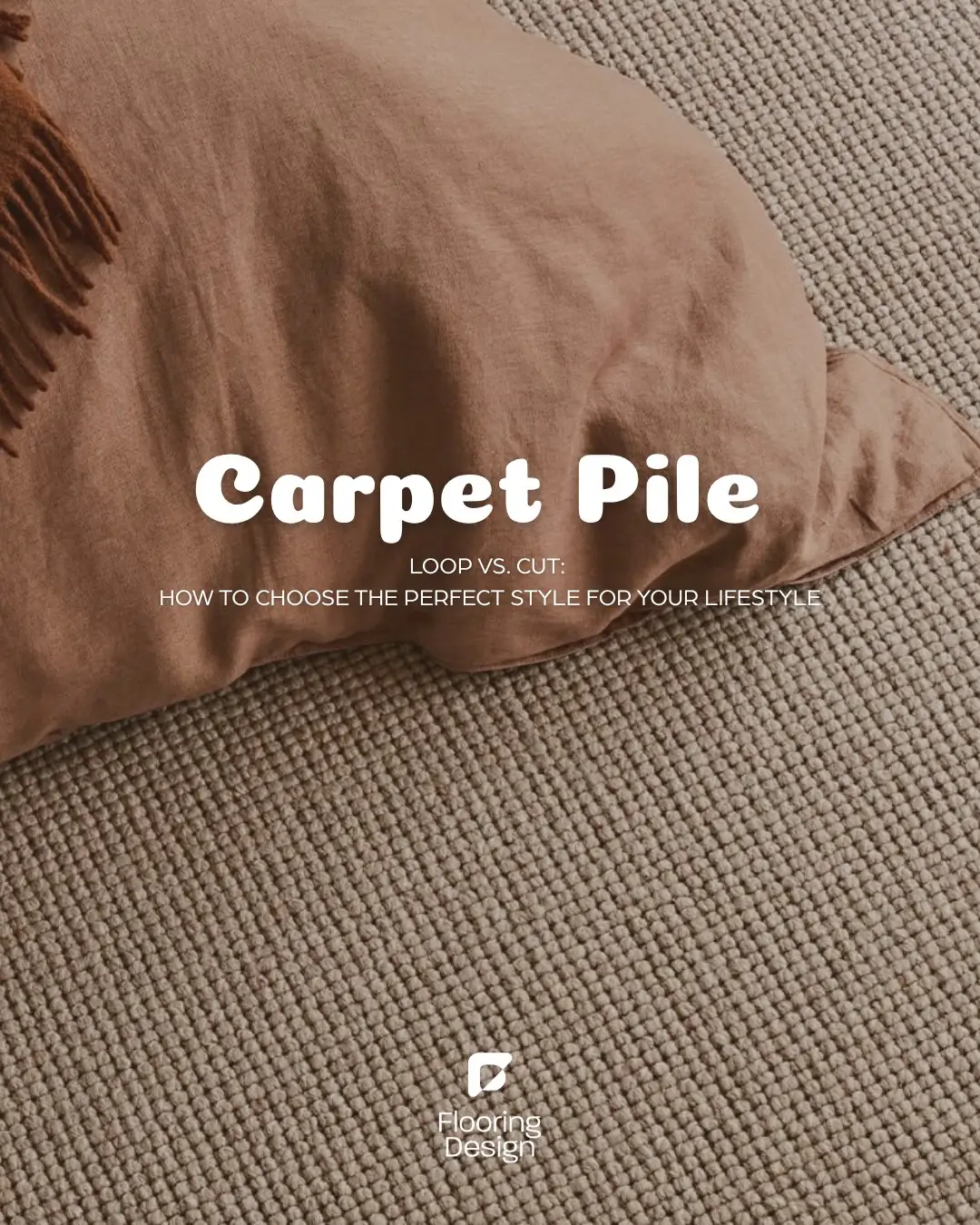
Texture variation. Not all wool carpet is plush and soft. Many wool carpets are loop pile construction, which can feel scratchy and coarse underfoot and is noticeably less comfortable than the soft cut pile options available in synthetics at a comparable price point.
The Case for Solution Dyed Nylon
Solution dyed nylon has become the go-to recommendation for most flooring professionals when the household involves children, pets, or simply real life.
Exceptional stain resistance. Because the colour is locked into the fiber at a molecular level, solution dyed nylon resists both staining and fading in a way that most other carpet types cannot match. Spills sit on the surface rather than soaking in, giving you time to clean them up.
Easier to clean and maintain. Day-to-day care is straightforward. Most spills can be dealt with using warm water and a mild detergent. Professional cleaning, while still worthwhile periodically, is less of a necessity than with wool.
Consistent softness. Modern SDN carpet, particularly in cut pile constructions, offers a soft, comfortable underfoot feel that compares favourably with wool, often at a significantly lower price.
No pest vulnerability. Synthetic fibers offer nothing for carpet beetles or moths to feed on. For anyone who has dealt with pest damage to natural fiber carpets, this alone can be a decisive factor.
Colour and design range. The manufacturing process allows for a much wider range of colours and patterns, many of which hold their vibrancy for the life of the carpet.
Allergies and Air Quality: What Does the Evidence Actually Say?
This is one of the most frequently misunderstood areas of the wool-versus-synthetic debate, and it is worth addressing directly.
The intuitive assumption is that natural wool is better for allergy sufferers. The reality is more complicated. Wool fibers do have some natural antibacterial properties, but wool carpet (like all carpet) traps dust, dust mites, pet dander, and other allergens within its pile. The key variable is not the fiber type; it is how thoroughly and regularly the carpet is cleaned.
For dust allergy sufferers, the research suggests that regular, thorough vacuuming with a good quality HEPA-filter vacuum makes far more difference to allergen levels than which fiber the carpet is made from. Some allergy specialists recommend hard flooring over carpet in bedrooms for highly sensitive individuals, regardless of carpet type.
If you do prefer carpet and have dust allergies, a tightly woven synthetic with a lower pile (which is easier to clean thoroughly) may actually be a more practical choice than a deep-pile wool, even though wool feels more natural.
Which Is Better for Families?
If your household includes young children, dogs, or anyone who eats in the lounge (which is to say, most households), solution dyed nylon is the more practical choice. The cleaning advantages are real and significant, and the peace of mind that comes from knowing a spilt glass of red won’t leave a permanent reminder is not trivial.
For adults-only households where the bedroom is the primary use case and the carpet is unlikely to face much in the way of food, drink, or muddy feet, wool becomes a more viable option. The comfort and quality feel of a good wool bedroom carpet are genuinely hard to replicate with synthetics. Just go in with realistic expectations about the care it will require and the cost of maintaining it over time.
Side-by-Side Comparison
| Wool | Solution Dyed Nylon | |
|---|---|---|
| Feel underfoot | Warm, natural, varies by construction | Consistently soft in cut pile |
| Stain resistance | Moderate — difficult to clean fully | Excellent — colour locked into fibre |
| Durability | High if well maintained | High — resists crushing and wear |
| Pest vulnerability | Yes — moths and carpet beetles | No |
| Fire safety | Naturally flame resistant | Can melt; check ratings |
| Off-gassing | None | Low-VOC products available |
| Allergy suitability | Depends on cleaning regimen | Depends on cleaning regimen |
| Maintenance | High — requires professional cleaning | Low to moderate |
| Cost | Higher | Lower to mid-range |
| Best for | Adults, bedrooms, low-traffic areas | Families, living areas, high-traffic |
Final Thoughts: The Right Carpet Depends on the Room
There is no universally correct answer here. Both wool and solution dyed nylon are quality options; they simply suit different circumstances.
Wool rewards buyers who have the budget, the patience for careful maintenance, and a household where spills and stains are not a constant risk. It is a genuine premium product with real advantages, and in the right setting it is hard to beat.
Solution dyed nylon, particularly in a quality cut pile, is the more practical choice for most New Zealand households. It is forgiving, durable, comfortable, and significantly easier to live with over the long term.
The best approach is to think room by room. Many homeowners end up with wool in the master bedroom, where the priority is comfort and the traffic is low, and solution dyed nylon through the living areas and kids’ rooms, where the priority is resilience and ease of cleaning.
If you are still unsure which direction to take, our team is happy to walk you through the options and help you find the right fit for your home and your budget. Visit your nearest Flooring Design store to see and feel the difference for yourself.
Looking for expert flooring advice? Find your nearest Flooring Design store at flooringdesign.co.nz