Walk into any carpet showroom and you’ll hear the same number thrown around constantly: ounce weight. It sounds technical, and a lot of buyers assume “bigger number equals better carpet” and leave it at that. The truth is a bit more layered — and knowing the full picture is what separates a carpet that still looks great in year eight from one that’s flattened out by year two.
Here’s what actually matters when you’re choosing carpet weight for your home, your family, and your budget.
1. What Carpet Ounce Weight Actually Means
Carpet weight refers to how many ounces of yarn fibre sit on every square yard of carpet. It’s a measurement of how much material is in the pile — not the backing, and not the total roll weight. The higher the number, the more fibre is packed into that pile, which is generally a good early indicator of how a carpet will perform underfoot and over time.
But face weight on its own doesn’t tell the whole story, and it certainly shouldn’t be the only figure you compare between two carpets. More on that below.
2. Matching Weight to Your Lifestyle
The right ounce weight really comes down to one thing: traffic. How many people (and paws) are walking across that floor every day, and for how many years do you need it to hold up?
Lighter weights (under 36oz) These are the most cost-effective option and suit smaller households, spare rooms, or anyone planning to stay in a property short-term (under four years). They’re a smart, budget-conscious choice when you don’t need the carpet to outlast a decade of daily use.
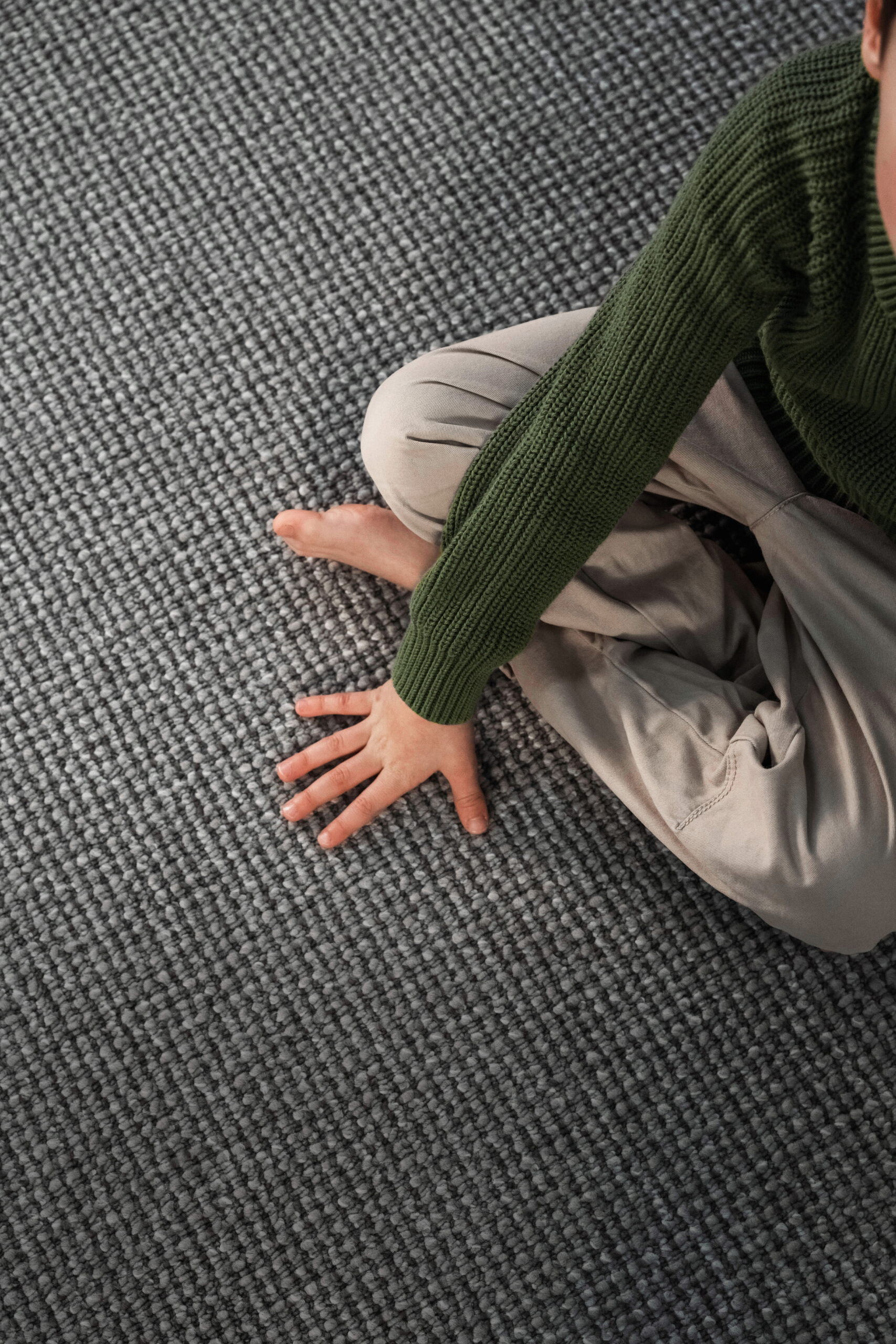
The sweet spot (36oz–48oz) This range is where most Kiwi families land, and for good reason. It’s the balance point between comfort and durability — ideal for active households with kids, pets, and the general daily traffic of a busy home. If you’re not sure where to start, this is usually the safest bet.
Premium weights (55oz+) This is the ultra-plush, luxurious end of the market. These carpets are built for the long haul and deliver a noticeably softer, more substantial feel underfoot. They suit formal living areas, main bedrooms, or homeowners planning to stay put for many years and want a floor that reflects it.
3. Why Twist and Density Matter Just as Much as Weight
This is the part most buyers never hear about — and it’s the difference between a carpet that stays looking new and one that flattens out in the hallway within eighteen months.
Density refers to how tightly the fibres are packed into the backing. Two carpets can have the exact same ounce weight, but if one has a lower pile height and tighter packing, it will have higher density — and higher density carpets resist crushing and matting far better in high-traffic zones. Industry guidance generally treats a density figure over 3,000 as solid for everyday residential use, with genuinely heavy-traffic commercial carpet needing considerably more.
Twist level is the number of times each fibre bundle is twisted before it’s tufted into the backing. A tighter twist means the fibre holds its shape and “bounces back” after pressure, rather than unravelling and lying flat. This is exactly why two carpets with identical ounce weight can perform completely differently in real life — the one with better twist and density will still look sharp in your hallway and living room long after a lower-spec equivalent has gone limp.
So when you’re comparing carpets, ounce weight is your starting point, not your finish line. Ask about twist level and density in the same conversation.
4. The Underlay Hack: Getting Luxury Feel on a Realistic Budget
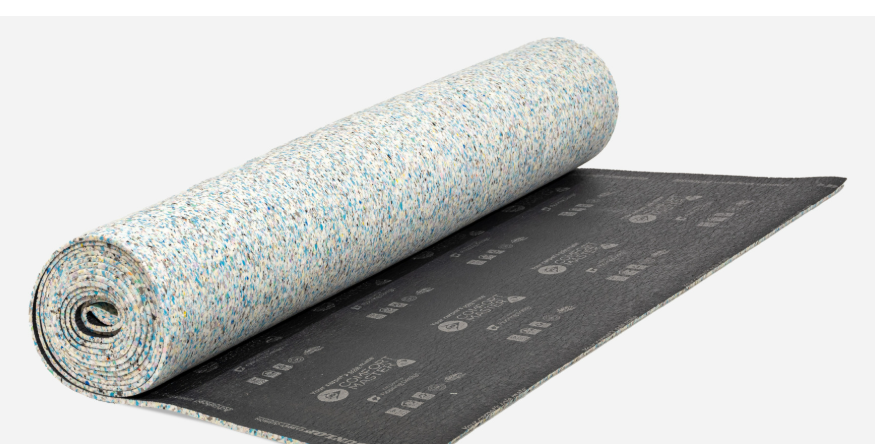
If your favourite carpet is pushing your budget further than you’d like, there’s a genuinely useful workaround: step down slightly in ounce weight and invest that saved budget into a premium, high-quality underlay instead.
A quality underlay does more than cushion your feet — it absorbs impact, reduces the wear transferred to the carpet backing from foot traffic, and adds a noticeable boost to that plush, comfortable feel underfoot. Pairing a mid-weight carpet with a premium underlay can get you remarkably close to the feel of a heavier, more expensive carpet, without the full price tag. It’s one of the most practical value trade-offs in flooring, and it’s a conversation worth having with your flooring consultant before you rule out a carpet purely because of its listed ounce weight.
5. Common Buyer Mistakes to Avoid
A few things worth knowing before you shop, based on the questions we hear most in-store:
- Don’t compare “total weight” between carpets. Total weight includes the backing, which is heavy and tells you very little about durability. Always ask for the face weight specifically.
- Don’t assume face weight is comparable across different carpet styles. A 30oz loop pile carpet and a 30oz cut pile saxony will wear very differently. Weight is only a fair comparison between similar carpet constructions.
- Don’t ignore fibre type. Nylon, wool, and solution-dyed fibres all behave differently under the same ounce weight and traffic conditions. A slightly lower-weight nylon can outlast a higher-weight fibre that’s simply less resilient.
- Don’t buy on weight alone for stairs and hallways. These high-friction zones benefit more from density and twist than from raw weight, since the crushing and rolling motion of feet is what causes visible wear first.
6. Quick Reference: Carpet Weight by Room and Traffic Level
| Area | Recommended Weight | Why |
|---|---|---|
| Spare room / short-term rental | Under 36oz | Cost-effective, adequate for light use |
| Bedrooms | 36oz–48oz | Comfortable underfoot, moderate traffic |
| Living rooms, family rooms | 36oz–48oz (or 55oz+ for busy households) | Balances durability and comfort |
| Hallways and stairs | 48oz+ with high density and tight twist | Highest daily friction, needs resilience over softness |
| Formal or low-traffic living areas | 55oz+ | Luxurious feel, longevity where traffic is light |
Frequently Asked Questions
What is a good carpet ounce weight for a family home? Most active households with kids and pets do best in the 36oz–48oz range. It offers a strong balance of comfort, durability, and value for everyday traffic.
Is a higher ounce weight always better? Not necessarily. Weight is only one part of the equation — twist level, density, and fibre type all influence how long a carpet will genuinely last. A well-constructed 40oz carpet with tight twist can outperform a poorly constructed 55oz carpet.
What’s the difference between carpet weight and carpet density? Weight measures how much fibre sits on each square yard of carpet. Density measures how tightly those fibres are packed into the backing. Two carpets can share the same weight but perform very differently depending on density.
Can I save money without sacrificing comfort? Yes — choosing a slightly lighter ounce weight and pairing it with a premium underlay is a proven way to get a plush, comfortable result without paying for the heaviest carpet on the floor.
What ounce weight is best for stairs and hallways? Look for at least 48oz combined with high density and a tight twist. These areas experience more crushing and rolling wear than open-plan rooms, so resilience matters more than plushness here.
The Bottom Line
Ounce weight is a useful starting point, but it’s only one piece of a bigger picture that includes density, twist, fibre type, and how you actually plan to use the room. The best decision isn’t found by scanning a spec sheet online — it’s made by getting your hands on the samples.
Don’t guess online — come see us in-store. Touch the samples, check the fibre density, and let our team help you find the best value carpet for your budget and your lifestyle.
Find your nearest Flooring Design store and book a free measure and quote today.