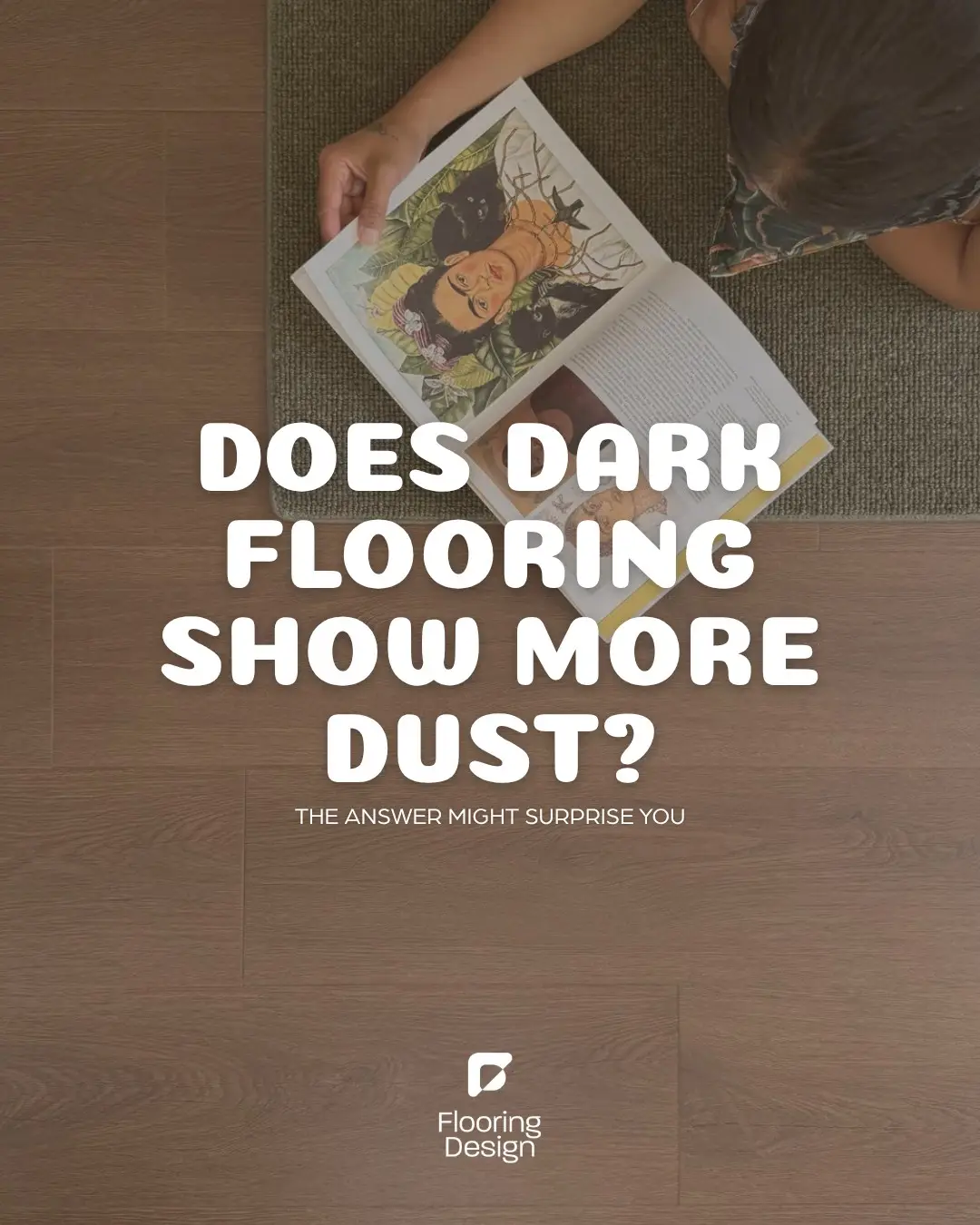
It’s one of the most common questions we hear from homeowners drawn to a rich, dark timber or tile look: “won’t dark flooring just show every bit of dust and dirt?” It’s a reasonable concern, and one that stops a lot of people from choosing a colour they genuinely love.
The short answer is: not necessarily. Dark flooring doesn’t actually collect more dust than lighter flooring. What changes is what’s more visible between cleans, and that comes down to a combination of factors that go well beyond colour alone. Understanding those factors means you don’t have to rule out a dark floor purely on the assumption that it will look messy within days of cleaning.
Dust Is Colour-Blind: Why Dark Floors Don’t Attract More of It
Dust settles on a floor based on airflow, foot traffic and how a home is used, not based on the colour of the flooring beneath it. A dark floor in a busy hallway and a light floor in the exact same spot will accumulate dust at essentially the same rate. What differs is visibility, whether that accumulated dust stands out against the surface or blends into it.
This is an important distinction, because it reframes the real question. It’s not “will a dark floor get dirtier?” It’s “will dirt be more noticeable on a dark floor, and if so, can that be managed through smart choices in colour variation and finish?” For most homes, the answer is yes, it can be.
The Real Factors That Affect How Your Floor Looks Day to Day
Colour Variation
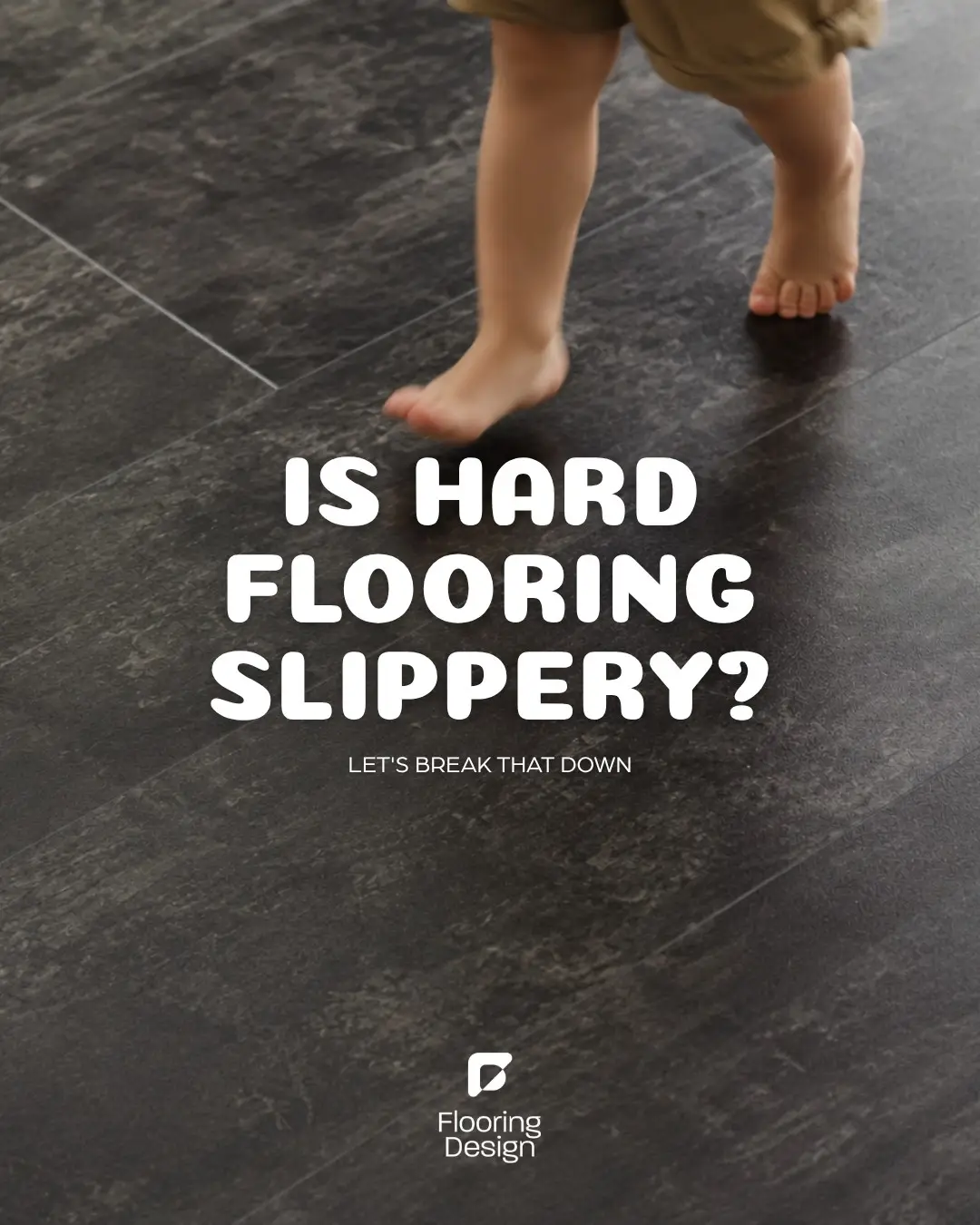
One of the biggest myths about dark flooring is that all dark floors behave the same way. In reality, colour variation within the flooring itself plays a major role in how forgiving a floor is between cleans. Floors with natural tones, grain and variation, multiple shades of brown, subtle streaking, visible timber grain, help disguise everyday dust and light dirt far more effectively than a very uniform, single-tone surface.
A perfectly flat, uniform dark colour will show every speck of contrast against it, whether that’s dust, a pale hair, or a light scuff mark. A dark floor with genuine tonal variation and grain, by contrast, creates a busier visual surface where small imperfections simply blend in. This is why two dark floors in the same shade can look completely different in terms of everyday cleanliness, purely based on how much natural variation is built into the product.
Finish
Surface finish has just as much influence on visible dust and dirt as colour does, arguably more. Matte and textured finishes are generally far more forgiving than smooth, high-gloss surfaces. A high-gloss finish reflects light in a way that draws attention to every mark, footprint and speck of dust sitting on the surface. A matte or textured finish diffuses that light instead, softening the appearance of everyday marks and making the floor look cleaner for longer between vacuuming or mopping.
This means the finish decision can matter just as much as the colour decision, if not more, when it comes to how “high-maintenance” a floor feels day to day. A dark floor with a matte, textured finish will typically show far less than a dark floor with a smooth, glossy finish, even though both are technically the same colour.
Lighting
The way natural light moves through a room over the course of a day has a real impact on how any floor looks, dark or light. Natural light can highlight different colours, textures and details throughout the day, meaning a floor can look quite different at 9am than it does at 4pm, depending on the angle and intensity of sunlight hitting the surface.
Rooms with strong, direct, low-angle light, such as west-facing living areas in the late afternoon, tend to show up surface detail more prominently, dust included, regardless of flooring colour. This is worth factoring in room by room rather than assuming a floor will look identical throughout your entire home, since light exposure can vary significantly from one space to another.
Lifestyle
Ultimately, the best flooring choice depends on how your home is actually used. Foot traffic levels, pets, and the general rhythm of family life all influence how quickly dust and dirt reappear on any floor, regardless of colour. A high-traffic entryway or a home with shedding pets will show dust and dirt faster than a quiet, low-traffic formal living room, no matter what shade of flooring is underfoot.
This means the “right” flooring choice isn’t just about colour and finish in isolation, it’s about matching those choices to the specific demands of your household. A busy family home with pets might lean toward a dark floor with strong colour variation and a matte finish specifically to manage everyday visibility, while a lower-traffic space has more flexibility to prioritise pure aesthetics.
Why Homeowners Still Love Dark Flooring
Despite the dust myth, dark flooring remains one of the most popular choices for good reason. Dark flooring can create a sophisticated, timeless look that lighter floors simply can’t replicate. It grounds a room, provides striking contrast against lighter walls and cabinetry, and brings a sense of warmth and richness that suits both contemporary and classic interior styles.
The key isn’t avoiding dark flooring out of fear it will look messy. It’s choosing a colour and finish that suits both your personal style and the way you actually live. With the right combination of tonal variation and finish, a dark floor can deliver that sought-after sophisticated look without becoming a constant source of visible dust between cleans.
Practical Tips for Choosing a Dark Floor You’ll Love Living With
- Look for products with genuine colour variation and grain, rather than a flat, single-tone dark colour, especially for busy areas of the home.
- Prioritise matte or textured finishes over high-gloss if minimising visible dust and marks is a priority for you.
- View samples in the actual room where the flooring will be installed, ideally at different times of day, so you can see how natural light interacts with the colour and finish.
- Match your choice to your lifestyle. Homes with pets or high foot traffic may benefit from stronger variation and a more forgiving finish than a quiet, low-traffic space.
- Don’t rule out dark flooring based on colour alone. The finish and variation within the product often matter more than the base shade itself.
Frequently Asked Questions
Does dark flooring actually collect more dust than light flooring? No. Dust accumulates based on airflow, foot traffic and how a home is used, not the colour of the flooring. Dark flooring can simply make existing dust and dirt more visible, depending on the colour variation and finish of the specific product.
What type of dark flooring shows the least dust? Dark flooring with natural tonal variation, grain and a matte or textured finish tends to disguise everyday dust and dirt far more effectively than a uniform, single-tone, high-gloss dark floor.
Is matte or glossy finish better for hiding dust on dark floors? Matte and textured finishes are generally more forgiving than smooth, high-gloss finishes, since gloss reflects light in a way that draws attention to marks and dust on the surface.
Does natural light make dust more visible on dark floors? Yes. Natural light, particularly strong, low-angle light, can highlight surface detail including dust, regardless of flooring colour. This effect varies by room depending on window orientation and time of day.
Is dark flooring a good choice for a home with pets or kids? It can be, particularly if you choose a product with strong colour variation and a matte or textured finish, which helps disguise everyday marks and shedding in busier households.
Find the Right Dark Flooring for Your Home
Not sure which flooring is the right fit for your home? The best way to judge how a dark floor will actually look and perform in your space is to see genuine samples in person, ideally in the room where they’ll be installed.
Visit your local Flooring Design store and let our team help you choose with confidence. We can talk you through colour variation, finish options and which products suit your household’s specific lifestyle, so you get the sophisticated, timeless look you want, without the maintenance worries you don’t.