As New Zealand homeowners become increasingly aware of the impact their choices have on the environment, eco-friendly flooring has grown in popularity. Choosing sustainable flooring isn’t just about doing good for the planet—it’s also about creating a healthier, more comfortable home for your family.
At Flooring Design, we specialise in flooring solutions that combine durability, style, and environmental responsibility. From timber to vinyl alternatives, there are eco-friendly options that suit every room, lifestyle, and budget.
Why Choose Eco-Friendly Flooring?
Eco-friendly flooring offers benefits beyond sustainability. When you select environmentally conscious materials, you are choosing:
- Healthier indoor air quality: Many sustainable products have low or zero VOCs (volatile organic compounds), reducing harmful emissions in your home.
- Reduced environmental impact: Responsible sourcing, recycled content, and renewable materials minimise the strain on natural resources.
- Durable, long-lasting performance: Many eco-friendly flooring options are highly resilient, saving money and reducing waste over time.
- Aesthetic appeal: Sustainable doesn’t mean compromising on style—eco-friendly floors are available in a wide range of textures, finishes, and colours.
Top Eco-Friendly Flooring Options for New Zealand Homes
1. Bamboo Flooring
Bamboo is a rapidly renewable material that has become a leading eco-friendly flooring choice worldwide.
- Fast-growing: Bamboo can be harvested in 3–5 years, compared to decades for traditional hardwood.
- Durable: High-quality bamboo flooring is strong, scratch-resistant, and suitable for high-traffic areas.
- Versatile: Available in natural, carbonised, and engineered varieties to suit modern or traditional interiors.
Considerations: Ensure bamboo is sourced from responsibly managed plantations and that the product is certified by a recognised sustainability standard.
2. Cork Flooring
Cork flooring is made from the bark of cork oak trees, which regenerates naturally after harvesting.
- Sustainable: Harvesting cork doesn’t harm the tree, allowing it to live for decades.
- Comfortable underfoot: Soft and warm, reducing fatigue in areas like kitchens and living rooms.
- Noise-reducing and insulating: Excellent for multi-level homes or apartments.
- Hypoallergenic: Resists mould, mildew, and pests.
Considerations: Cork is best in dry areas; sealing helps protect against moisture and stains.
3. Reclaimed Timber
Using reclaimed timber repurposes old wood, reducing demand for new logging.
- Unique character: Each plank has a history, creating a rustic, one-of-a-kind look.
- Durable: Properly treated reclaimed wood can last decades.
- Low environmental impact: Reduces waste and preserves natural forests.
Considerations: Make sure reclaimed timber is professionally inspected and treated to remove nails, pests, and contaminants.
4. Engineered Timber with FSC Certification
Engineered timber combines a real wood veneer with plywood layers, offering stability and sustainability.
- Environmentally certified: Look for FSC (Forest Stewardship Council) certification, ensuring responsible forest management.
- Durable and stable: Resists warping and is suitable for New Zealand’s climate and underfloor heating.
- Timeless appeal: Offers the beauty of hardwood without the high environmental cost.
5. Recycled Vinyl and Linoleum
Modern eco-friendly vinyl and linoleum products often use recycled or bio-based materials.
- Linoleum: Made from natural ingredients like linseed oil, cork dust, and wood flour, it’s biodegradable and long-lasting.
- Recycled vinyl: Uses post-consumer or post-industrial content, reducing landfill waste.
- Durable and easy to maintain: Perfect for kitchens, bathrooms, and high-traffic areas.
Considerations: Check for low-VOC certifications to ensure indoor air quality.
6. Carpet Made from Natural or Recycled Fibres
Carpets can also be eco-friendly when made from sustainable or recycled materials.
- Wool: A renewable, biodegradable fibre that is naturally stain-resistant and flame-retardant.
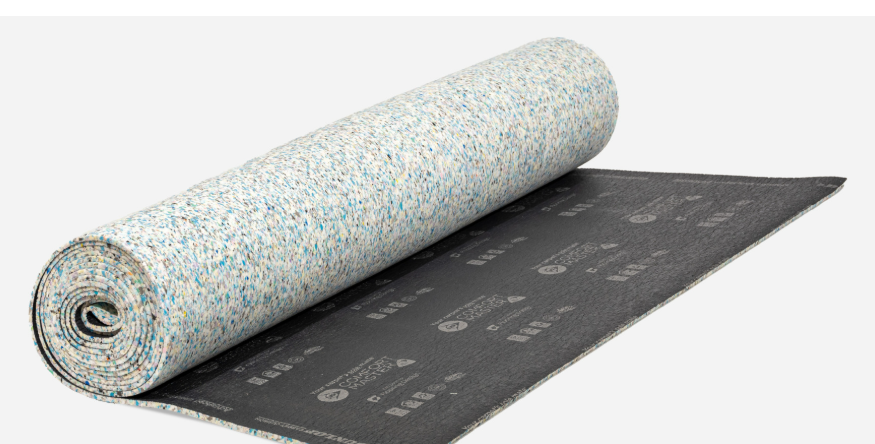
- Recycled fibres: PET carpets made from recycled bottles reduce waste and conserve resources.
- Durable: Modern eco-friendly carpets maintain softness and colour over years of use.
Features to Look for in Eco-Friendly Flooring
When shopping for sustainable flooring, keep these features in mind:
- Sustainable sourcing: FSC-certified timber or responsibly harvested bamboo.
- Recycled content: Materials using post-consumer or post-industrial waste.
- Low-VOC finishes: Reduces harmful indoor air pollutants.
- Durability: Long-lasting materials prevent frequent replacement.
- Biodegradability or recyclability: Supports a circular lifecycle.
By prioritising these features, you ensure your flooring is environmentally responsible without sacrificing performance or style.
Benefits of Eco-Friendly Flooring in Your Home
Healthier Living Environment
Low-VOC and natural materials contribute to cleaner indoor air, reducing respiratory irritants and allergens—a key benefit for families with children or pets.
Long-Term Cost Savings
Durable, eco-friendly materials require less maintenance and last longer, reducing replacement costs and waste.
Reduced Environmental Footprint
Choosing sustainable products helps preserve forests, reduce landfill waste, and lower carbon emissions associated with production.
Stylish and Versatile
Eco-friendly flooring comes in a wide range of finishes—from rustic reclaimed timber to sleek bamboo and colourful linoleum—suiting every interior style.
Tips for Choosing the Right Eco-Friendly Flooring
- Identify your priorities: Do you value durability, comfort, low maintenance, or sustainability most?
- Consider the space: Kitchens and bathrooms need waterproof materials, while bedrooms may prioritise comfort and warmth.
- Ask for certifications: FSC, GreenTag, FloorScore, or similar certifications verify sustainability and safety.
- View samples in your home: Lighting and décor influence how flooring looks in reality.
- Plan for installation: Professional installation ensures performance and longevity.
Flooring Design: Your Eco-Friendly Flooring Partner
At Flooring Design, we combine sustainability with expert service. Our flooring specialists can guide you through eco-friendly options that match your lifestyle and home, providing:
- Free in-home measure and quote: Explore options in your space with no obligation.
- Expert advice: Tailored recommendations based on your needs, style, and budget.
- Wide range of sustainable materials: From bamboo and cork to recycled vinyl, timber, and carpets.
- Professional installation: Ensuring your eco-friendly flooring performs beautifully for years.
We adapt to every customer, ensuring your flooring solution is as unique as your home—without compromising environmental responsibility.
Eco-Friendly Flooring for Every Room
Kitchens and Bathrooms
Waterproof bamboo, linoleum, or recycled vinyl ensures your floor stands up to spills and moisture while remaining sustainable.
Living Areas
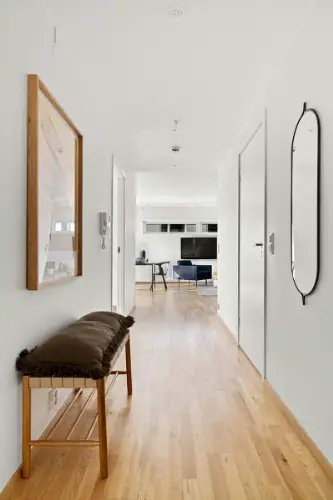
Durable timber, cork, or engineered wood provides warmth, character, and longevity in high-traffic zones.
Bedrooms
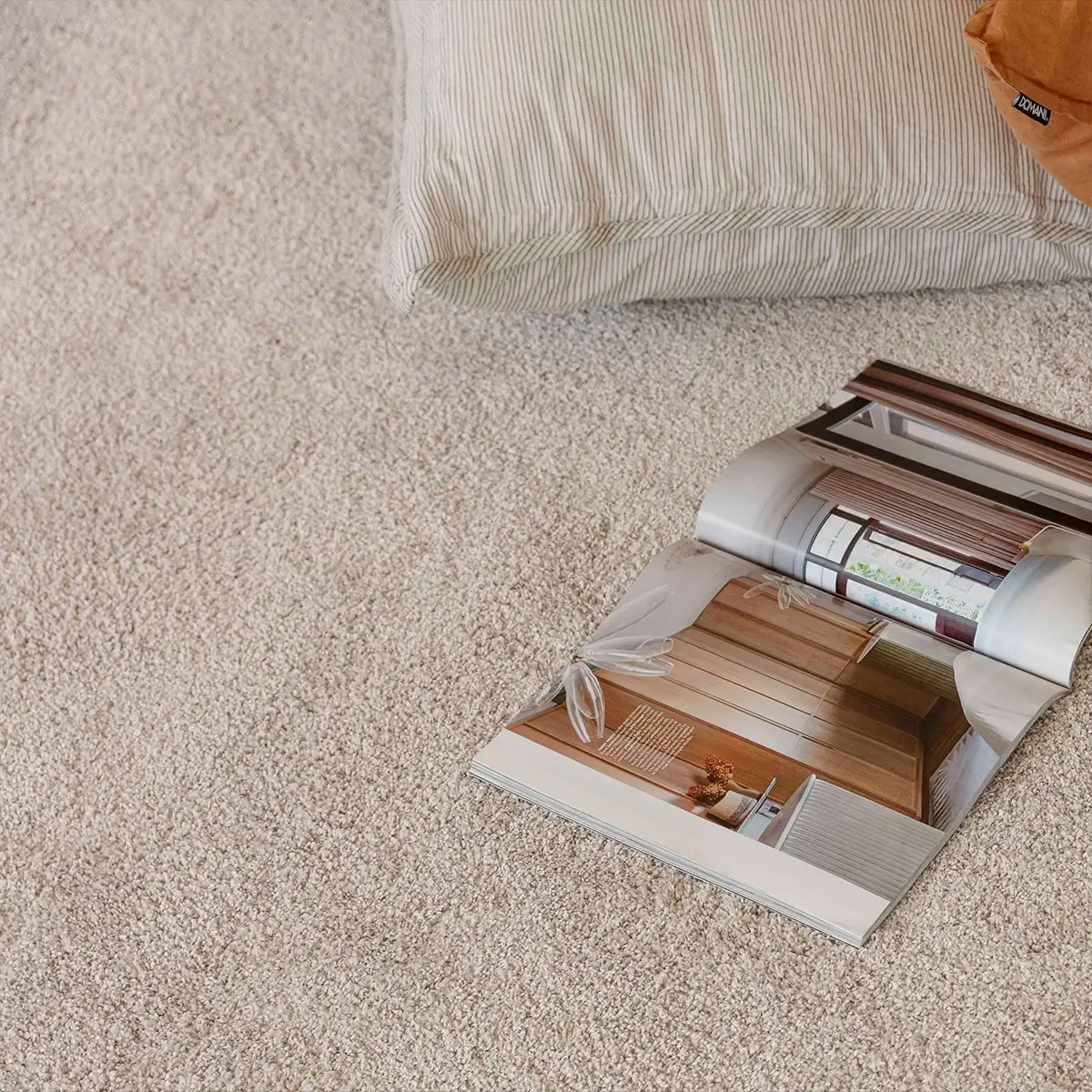
Soft, low-VOC carpets or cork offer comfort, warmth, and allergy-friendly features.
Entryways and Mudrooms
Hybrid or recycled vinyl is ideal for heavy foot traffic, dirt, and moisture, reducing cleaning effort and wear.
The Long-Term Impact of Sustainable Flooring
Investing in eco-friendly flooring benefits not only your home but also the environment:
- Lower resource consumption: Renewable or recycled materials reduce pressure on forests and landfills.
- Reduced chemical use: Natural finishes and low-VOC coatings improve indoor air quality.
- Durability: Long-lasting floors reduce waste from frequent replacements.
By selecting sustainable flooring, you create a home that’s healthier, more beautiful, and environmentally responsible.
Get Started With Eco-Friendly Flooring Today
Choosing eco-friendly flooring doesn’t have to be complicated. With Flooring Design’s free in-home measure and quote service, you can:
- Explore sustainable options in your own home
- Receive personalised advice from flooring experts
- Get an accurate, transparent quote
- Make informed, confident decisions that suit your lifestyle and the environment
Fill in your details to request your free consultation today. One of our Flooring Design specialists will contact you to schedule a convenient time.
Final Thoughts
Sustainable flooring is more than a trend—it’s a smart choice for New Zealand homes. Eco-friendly options like bamboo, cork, reclaimed timber, recycled vinyl, and natural fibre carpets combine durability, style, and environmental responsibility.
By selecting flooring that is both beautiful and sustainable, you create a healthier, more comfortable home while reducing your ecological footprint. Flooring Design ensures your eco-friendly flooring solution is tailored to your lifestyle, providing long-lasting performance and timeless appeal.
Make a difference in your home and for the planet—choose eco-friendly flooring today.