Published for New Zealand homeowners | Updated 2026
| Hardwood flooring — whether solid or engineered — consistently adds the most resale value to a home in New Zealand, with studies and real estate professionals estimating it can increase a property’s appeal and perceived value by 3–5% or more. Luxury vinyl plank (LVP) and quality tile are strong runners-up, particularly in renovation contexts where the cost-to-value ratio is critical. Carpet, while popular for bedrooms, typically does not increase resale value and may even be viewed as a negative by buyers in today’s market. Investing in flooring that looks premium, is hard-wearing, and suits modern New Zealand design trends will deliver the best return. |
Flooring Is One of the First Things Buyers Notice
When potential buyers or tenants walk into a property, flooring is among the very first things they register — often before they consciously think about it. Poor flooring can undermine even the best features of a home. By contrast, beautiful, well-maintained floors elevate the entire space and create an immediate impression of quality and care.
In the New Zealand property market, where competition can be fierce, flooring is one of the most cost-effective upgrades you can make before selling. But not all flooring is equal when it comes to return on investment. Let’s break down which options deliver the best value — and why.
Hardwood Flooring: The Gold Standard for Value
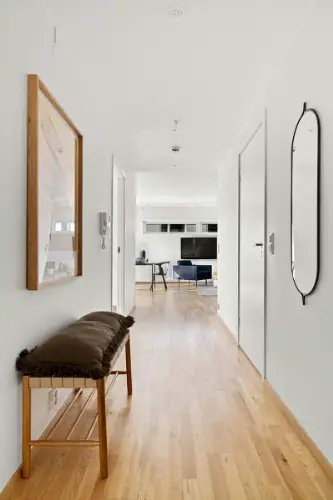
Solid and engineered hardwood flooring has long been associated with prestige, quality, and longevity — and buyers know it. In the New Zealand market, homes with genuine timber floors consistently attract stronger interest and higher offers, particularly in the mid-to-premium price bracket.
Real estate professionals across Auckland, Wellington, and Christchurch regularly note that quality hardwood floors are among the top features buyers mention positively during viewings. The key reasons are simple: hardwood looks timeless, feels luxurious underfoot, and signals that a homeowner has invested in the property’s quality.
Engineered hardwood has become particularly popular in New Zealand because it offers the look and feel of solid timber while being more dimensionally stable in our humidity-variable climate. It’s also more suitable for installation over underfloor heating, which is increasingly common in modern NZ homes.
Best For:
- Living rooms, dining areas, hallways, and bedrooms
- Mid-to-high-end homes where buyers have elevated expectations
- Open-plan living spaces where consistent flooring across zones adds visual appeal
Luxury Vinyl Plank: The High-Value Budget Option
For homeowners on a tighter renovation budget, luxury vinyl plank offers an impressive return on investment. The best LVP products are now nearly indistinguishable from real timber in both appearance and texture, and savvy buyers recognise quality when they see it.
LVP is also extremely practical — it’s 100% waterproof, highly durable, and requires minimal maintenance. These qualities are increasingly valued by New Zealand buyers who want beautiful homes that are easy to live in. A well-chosen LVP floor in a stylish timber or stone finish can genuinely elevate a property’s appeal without the premium price of real hardwood.
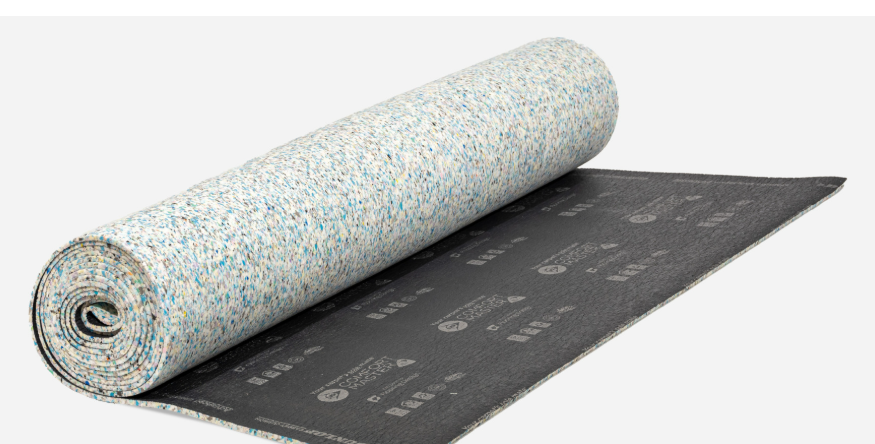
The key is choosing a quality product. Budget LVP with a thin wear layer and hollow sound can actually work against you during a sale. Invest in a mid-to-premium LVP with a thick wear layer, realistic visuals, and a quality underlay — these are the products that impress buyers.
Porcelain Tile: Outstanding for Kitchens and Bathrooms
In kitchens, bathrooms, and laundries, quality porcelain tile is strongly associated with value-add renovations. These are the rooms buyers scrutinise most carefully, and tired or damaged flooring here can cost you at sale time.
Large-format porcelain tiles (600x600mm or larger) in neutral tones are currently very popular in the New Zealand market and give homes a premium, contemporary feel. Pairing consistent tile across the kitchen, dining, and living areas in open-plan homes is a design move that many buyers and real estate agents specifically call out as a value-add feature.
What Flooring Hurts Your Home’s Value?
Old or Stained Carpet
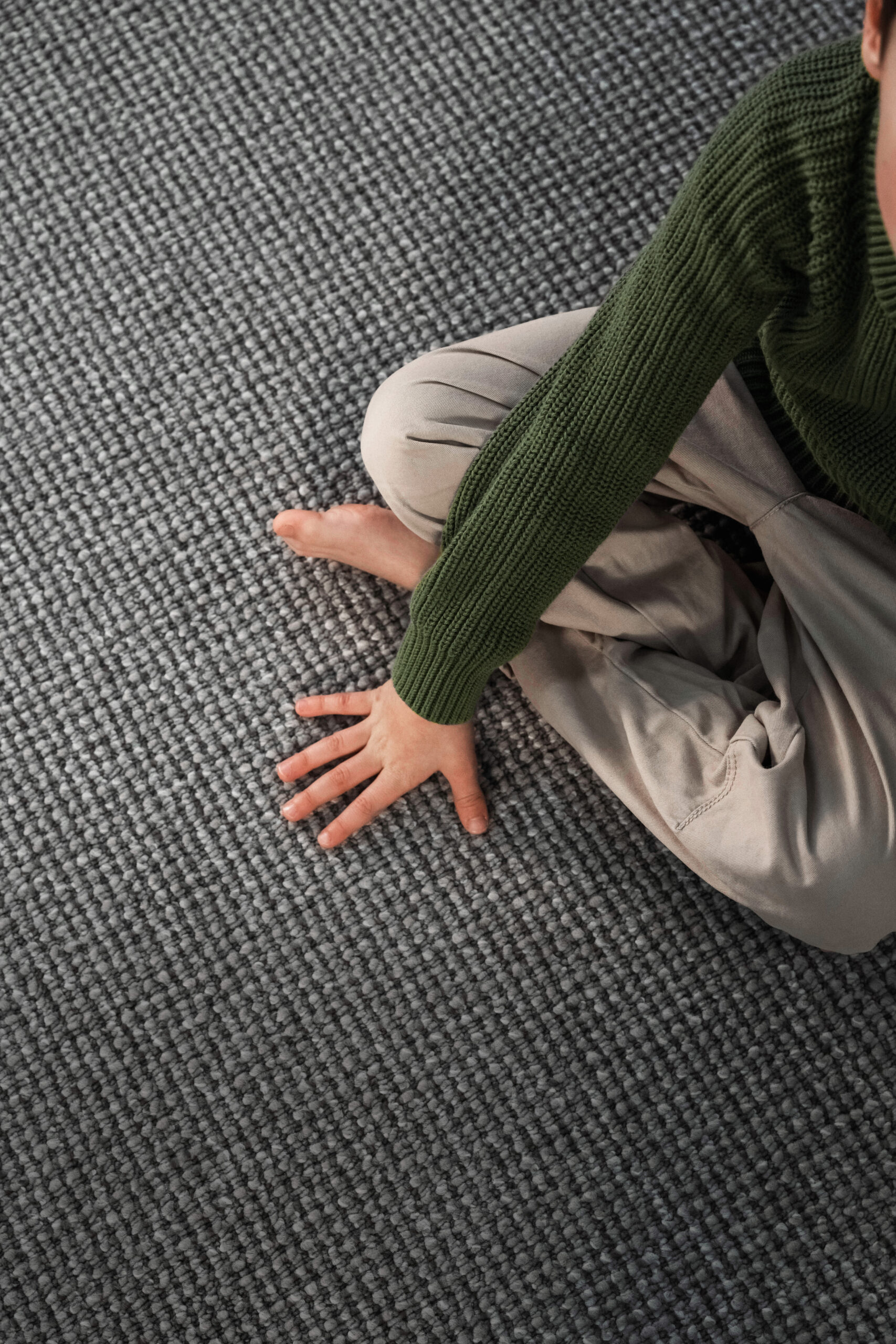
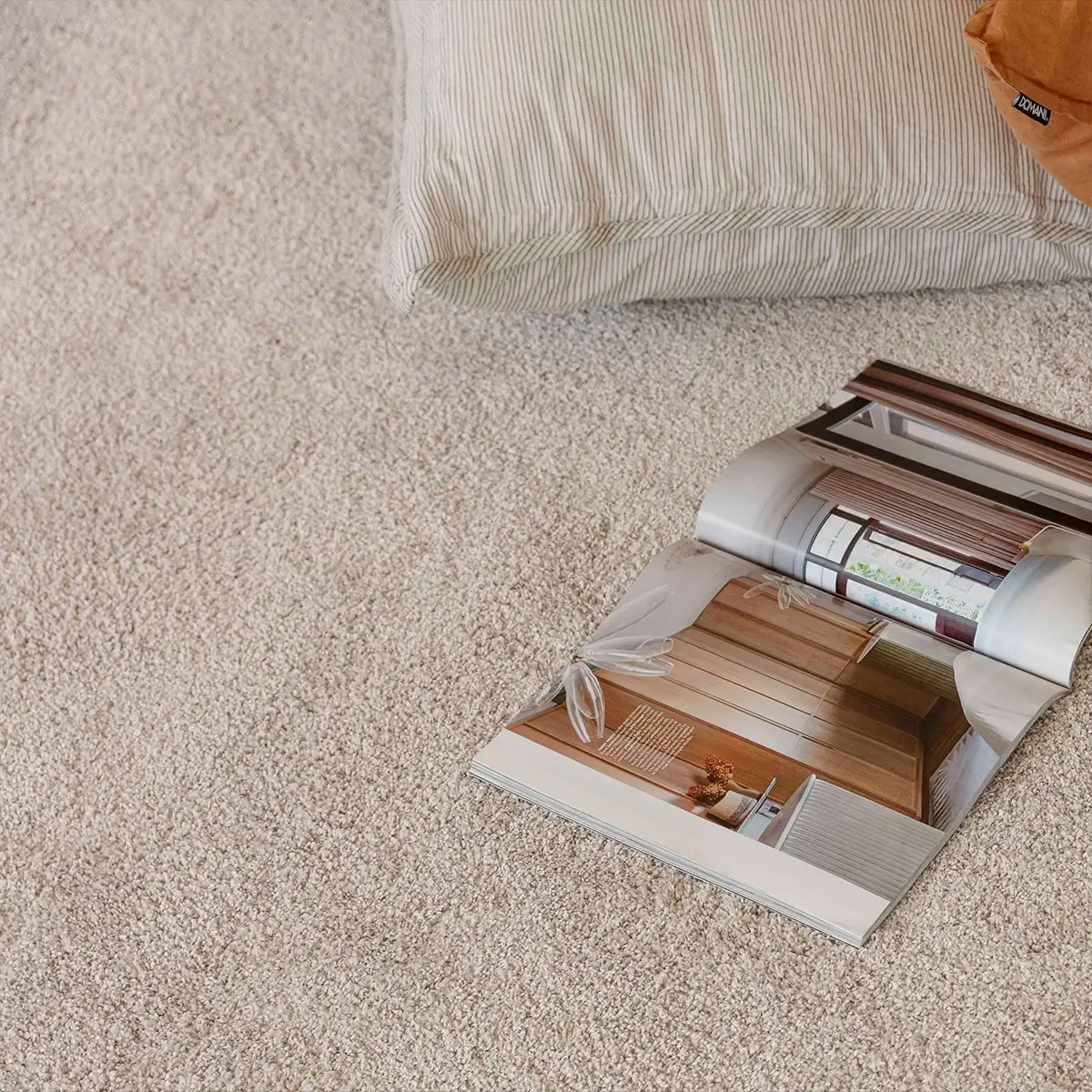
While carpet is comfortable and acoustically beneficial, worn or stained carpet is one of the single biggest turn-offs for buyers in today’s market. Many buyers immediately factor in carpet replacement costs when they see tired carpet — and they often overestimate those costs. If your carpet is more than 8–10 years old and showing wear, replacing it before sale is usually worthwhile.
Cheap Laminate
Budget laminate with obvious seams, a hollow sound, or a faded finish can actually make a home feel dated and lower-quality. If you’re going to use laminate, invest in a quality product with realistic visuals and a solid underlay.
Mismatched or Inconsistent Flooring
A patchwork of different flooring types, colours, and styles across a home’s main living areas creates a disjointed feel that buyers often describe as ‘tired’ or ‘unfinished’. If you’re renovating to sell, consistency and flow matter.
Renovation Strategy: Maximising Your Flooring ROI
If you’re planning to sell in the next 1–3 years, here is a practical approach to flooring investment:
- Prioritise the living room, hallway, and open-plan zones — these are what buyers see first
- Replace or upgrade flooring in the kitchen if it’s dated or damaged
- Ensure bathrooms and laundry have clean, modern tile — re-grouting alone can make an enormous difference
- Consider whether carpet replacement in bedrooms is worthwhile — sometimes a professional clean is sufficient
- Choose neutral, timeless colours — light oak, warm grey stone, and soft beige tones appeal to the widest range of buyers
The NZ Market Perspective
New Zealand property buyers in 2025 are increasingly design-aware. Thanks to renovation TV programmes, social media, and a competitive housing market, buyers know what premium looks like — and they’re willing to pay for it. Conversely, they apply a mental discount when they see flooring that needs to be replaced.
A $5,000–$10,000 flooring upgrade in the right areas of your home can potentially yield $15,000–$30,000 or more in added sale price — particularly in markets like Auckland, Wellington, and Queenstown where buyers are competing hard for well-presented homes.
The key is always quality over quantity. A beautiful floor in the main living areas is far more valuable than average flooring throughout the entire home.
Final Thoughts
If your goal is to maximise your home’s value, invest in quality hardwood or engineered timber for your main living areas, or premium LVP if budget is a concern. Pair this with quality tile in wet areas, keep the palette neutral and cohesive, and ensure installation is done professionally. The difference at sale time can be significant.
| READY TO TRANSFORM YOUR HOME? Thinking about selling soon — or just want a home you love to live in? Our flooring specialists can guide you to the products that will deliver the best return on your investment. Book a free consultation and let us help you make the right choice. Get a Free Quote Today → Visit us in-store or book a home consultation |