Published for New Zealand homeowners | Updated 2026
| The best flooring for high-traffic homes in New Zealand is luxury vinyl plank (LVP) or porcelain tile, both of which offer exceptional durability, water resistance, and low maintenance. Engineered hardwood and quality laminate are also strong contenders for living areas, while polished concrete suits modern open-plan homes with heavy daily foot traffic. The right choice depends on the specific room, your household composition, and your budget — but LVP consistently delivers the best combination of performance, aesthetics, and value for most Kiwi families. |
Why Flooring Choice Matters More in High-Traffic Homes
Not all floors are created equal — and nowhere is that truer than in a busy New Zealand household. Whether you have a large family, energetic pets, a home-based business, or simply an active lifestyle, the floors in your hallway, kitchen, and living room take a serious beating every single day.
Scratches, dents, moisture damage, staining, and general wear are all common complaints from homeowners who chose the wrong flooring for their lifestyle. The good news? With the right product, you can have a floor that looks beautiful for 15, 20, even 30 years — even with heavy use.
This guide breaks down the top flooring options for high-traffic NZ homes, covering durability, maintenance, cost, and real-world performance.
The Top 5 Flooring Options for High-Traffic NZ Homes
1. Luxury Vinyl Plank (LVP) — The All-Round Champion
Luxury vinyl plank has become the most popular hard flooring choice in New Zealand over the past decade, and for good reason. It mimics the look of real timber or stone but is far more resilient, completely waterproof, and significantly more affordable.
Modern LVP features a wear layer that resists scratches, scuffs, and heavy foot traffic, making it ideal for hallways, kitchens, living rooms, and open-plan spaces. It’s also warm underfoot compared to tile, which matters during New Zealand winters, particularly in the South Island and highland regions.
Key stats to look for: an AC4 or AC5 wear rating (designed for heavy residential and light commercial use) and a wear layer of at least 0.5mm, ideally 0.7mm or above for the highest-traffic zones.
2. Porcelain Tile — The Indestructible Option
If sheer durability is your priority, porcelain tile is virtually impossible to beat. It doesn’t scratch, doesn’t dent, and can handle decades of heavy use without losing its finish. It’s also 100% waterproof, making it perfect for entryways, kitchens, bathrooms, and laundry rooms.
The trade-offs? Porcelain is cold underfoot, hard underfoot (which can be tiring for long periods of standing), and grout lines can be difficult to keep clean. However, large-format tiles with minimal grout lines have addressed the last issue significantly in modern installations.
3. Engineered Hardwood — Beauty With Substance
Engineered hardwood gives you the genuine warmth and character of real timber, but with a more stable, layered construction that better handles New Zealand’s humidity fluctuations. Unlike solid hardwood, engineered timber is less prone to swelling, cupping, or gapping.
It performs well in living rooms and bedrooms but is less suited to wet areas or high-humidity zones. Most quality engineered hardwood floors can be sanded and refinished at least once, extending their lifespan significantly.
4. Quality Laminate — Budget-Friendly Durability
Modern laminate flooring has come a long way. Today’s high-quality laminate features realistic timber and stone visuals, improved moisture resistance (look for an AC4 rating and water-resistant core), and a harder wear surface than many entry-level LVP products.
Laminate is an excellent choice for bedrooms, studies, and living areas — though it’s still less water-resistant than LVP overall, so keep it away from kitchens and bathrooms unless you’re using a specifically moisture-resistant product.
5. Polished Concrete — The Modern Minimalist
Polished concrete has become increasingly popular in contemporary New Zealand homes, particularly in open-plan designs and passive homes where thermal mass is a consideration. It’s extremely durable, easy to clean, and works beautifully with underfloor heating.
The main limitations are cost (professional polishing is expensive), hardness (not comfortable for families who spend a lot of time on the floor), and coldness — though again, pairing it with underfloor heating solves this.
Room-by-Room Recommendations for NZ Homes
Hallways and Entryways
This is ground zero for foot traffic, outdoor dirt, and moisture. LVP or porcelain tile are your best bets here. Both are easy to clean and can handle the relentless in-and-out of a busy household.
Kitchen and Dining
Waterproofing is essential. LVP is the top recommendation — comfortable underfoot during long cooking sessions, easy to clean after spills, and available in styles that complement any kitchen design. Porcelain tile is also excellent if you prefer a harder surface.
Living Areas
You have more flexibility here. Engineered hardwood adds warmth and character, while LVP offers similar aesthetics with lower maintenance. Quality laminate is also a cost-effective option.
Bedrooms
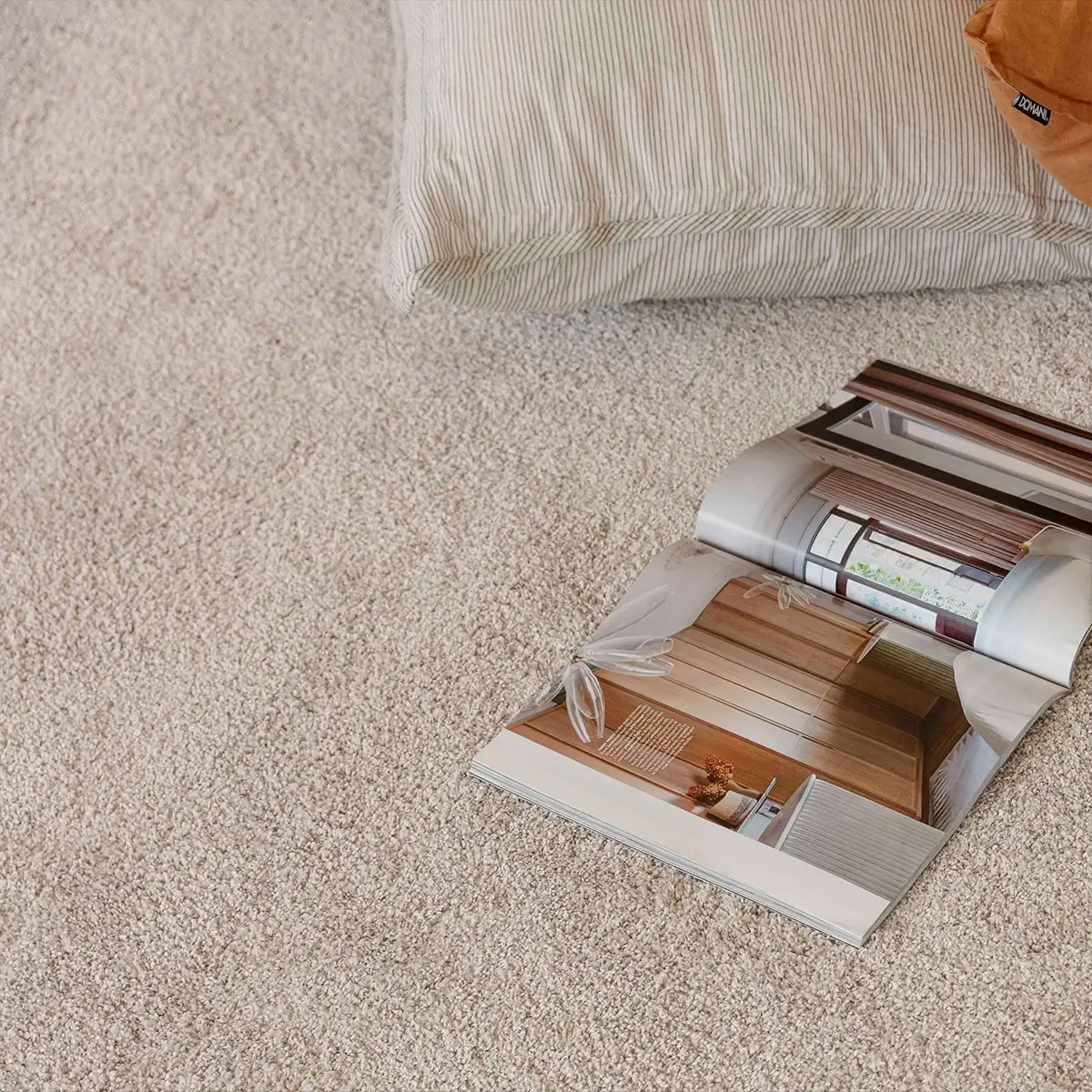
Carpet remains popular in New Zealand bedrooms for its comfort, warmth, and acoustic properties. For a hard floor, engineered hardwood or quality LVP are both excellent choices.
Bathrooms and Laundry
Stick with porcelain or ceramic tile, or use LVP that is specifically rated for wet area installation. Never use laminate or floating floors in wet areas unless explicitly designed for it.
What to Look for When Buying High-Traffic Flooring in NZ
- Wear rating: AC3 minimum for residential, AC4 or AC5 for heavy-traffic areas
- Wear layer thickness: 0.5mm minimum for LVP; thicker is always better
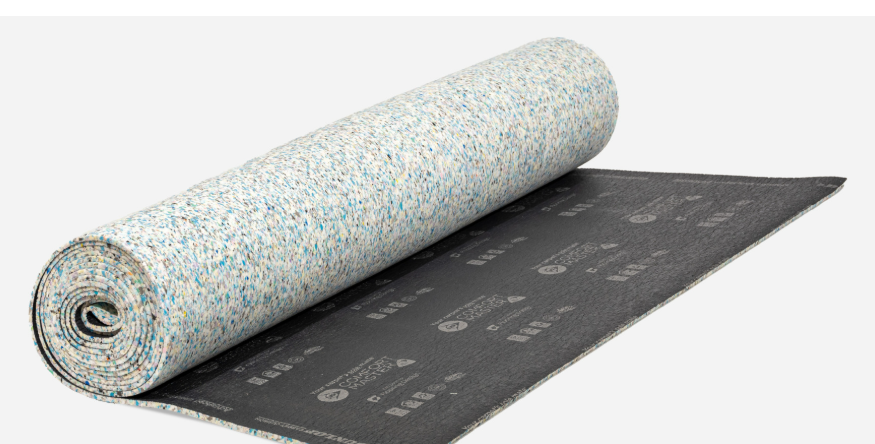
- Underlay compatibility: A good underlay extends the life of your floor and improves comfort and acoustics
- Warranty: Look for 15–25 year residential warranties from reputable NZ suppliers
- NZ-specific climate considerations: Humidity fluctuations in Auckland vs the dryness of Central Otago affect different products differently
A Quick Comparison Table
Here is a snapshot comparison of the top options:
| Flooring Type | Durability | Waterproof | Comfort | Cost (NZ) |
| Luxury Vinyl Plank | ★★★★★ | Yes | High | $40–$90/m² |
| Porcelain Tile | ★★★★★ | Yes | Medium | $60–$150/m² |
| Engineered Hardwood | ★★★★ | No | High | $80–$200/m² |
| Laminate | ★★★★ | Partial | Medium | $30–$70/m² |
| Polished Concrete | ★★★★★ | Yes | Low | $100–$250/m² |
Final Verdict: What Should You Choose?
For most New Zealand homeowners dealing with high-traffic areas, luxury vinyl plank is the smartest investment. It delivers on durability, aesthetics, comfort, and value — the complete package. If you’re tiling wet areas, pair it with porcelain for a cohesive, practical approach throughout your home.
That said, the best flooring is always the one that suits your specific home, lifestyle, and budget. That’s why speaking with a flooring specialist who understands the New Zealand climate and housing styles makes such a difference.
| READY TO TRANSFORM YOUR HOME? Our team of NZ flooring specialists will assess your home, lifestyle, and budget to recommend the perfect flooring solution — backed by quality products and professional installation. Contact us today for a free in-home consultation. Get a Free Quote Today → Visit us in-store or book a home consultation |