Published for New Zealand homeowners and renovators | Updated 2026
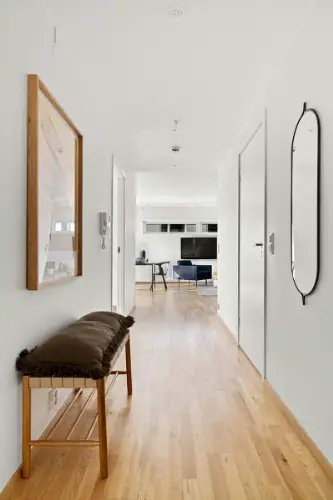
| The cheapest flooring option that still looks genuinely premium in New Zealand is mid-range luxury vinyl plank (LVP), which typically costs between $35 and $70 per square metre supplied and installed. Modern LVP is remarkably convincing in its timber and stone visuals, is available in on-trend colours and textures, and holds up well to everyday wear. Quality laminate flooring is another strong contender in a similar price range, particularly for dry areas. Both products have reached a level of quality where even design-conscious buyers and guests struggle to distinguish them from significantly more expensive materials — making them the smart choice for budget-conscious renovators who refuse to compromise on aesthetics. |
You Don’t Have to Spend a Fortune to Have Beautiful Floors
One of the most common flooring misconceptions is that premium-looking results require premium prices. In reality, advances in manufacturing technology — particularly in the luxury vinyl and laminate categories — have made it entirely possible to achieve a high-end aesthetic at a fraction of the cost of natural timber or stone.
This guide is specifically designed for New Zealand homeowners and renovators who want their floors to look impressive without overspending. Whether you’re renovating a rental property, working to a tight budget, or simply being financially savvy, these are the options that deliver genuine bang for your buck.
Why LVP Is the King of Budget-Premium Flooring
Ten years ago, vinyl flooring had a reputation problem — it looked cheap because it was cheap. Today, that’s simply no longer true at the mid-range and above. The best LVP products use high-resolution digital printing technology to replicate the precise grain, knot patterns, and colour variation of real timber, or the veining and texture of natural stone — all with remarkable accuracy.
Walk into any modern NZ showroom and you’ll find LVP products in rich oaks, warm walnuts, cool concrete tones, and classic slate patterns that genuinely fool the eye. Combined with embossed-in-register surface textures that match the visual pattern beneath, the tactile experience is convincing too.
What to Expect at Each Price Point in NZ
- $25–$40/m² (budget): Thinner wear layer, simpler visuals, less texture variety. Functional but clearly not premium.
- $40–$70/m² (mid-range): The sweet spot. Realistic visuals, 0.5mm+ wear layer, better underlay compatibility. This is where ‘looks premium’ begins.
- $70–$110/m² (upper-mid): Exceptional visuals, thick wear layer, rigid core options, longer warranties. Genuinely difficult to distinguish from real timber.
Quality Laminate: Still Excellent Value for Dry Areas
Modern laminate flooring, particularly at the mid-range, remains one of the best value options for bedrooms, living rooms, and studies. A quality laminate with a realistic timber or stone surface layer, an AC4 wear rating, and a solid HDF core can look genuinely stunning — and is often slightly more affordable than equivalent LVP.
The important caveat: laminate is not waterproof (though moisture-resistant options are improving). Keep quality laminate away from kitchens, bathrooms, and laundry rooms unless you’re using a specifically water-resistant product. In dry areas, however, it’s an outstanding value proposition.
Tile That Looks Like Stone or Timber (Without the Price Tag)
Ceramic and porcelain tiles have also undergone a revolution in recent years. Digital printing technology now allows manufacturers to produce tiles that convincingly replicate travertine, marble, slate, and even timber — at a fraction of the cost of the real thing.
A mid-range porcelain tile in a large-format marble or concrete look ($45–$80/m² supplied and installed) can transform a kitchen or bathroom into something that looks like it belongs in an architectural magazine. The key is choosing large-format tiles (600x600mm or larger) in on-trend neutrals, with tight joints and matching grout colours to maintain the illusion.
The Installation Factor: Don’t Forget This Cost
When budgeting for flooring, the installed price is what matters — not just the product cost. Some flooring types are cheaper to install than others, which affects total cost significantly:
- Floating LVP: Simple click-lock installation, often the cheapest to install ($15–$25/m² for most spaces)
- Floating laminate: Similar to LVP installation, affordable
- Glue-down vinyl: Slightly more involved but still affordable ($20–$35/m²)
- Tile: More labour-intensive, particularly for large-format tiles or complex layouts ($45–$80/m² installation)
- Solid hardwood: Most expensive to install, including nail-down or glue methods ($50–$100/m²)
Design Tips for Making Budget Flooring Look Expensive
Choose the Right Colour
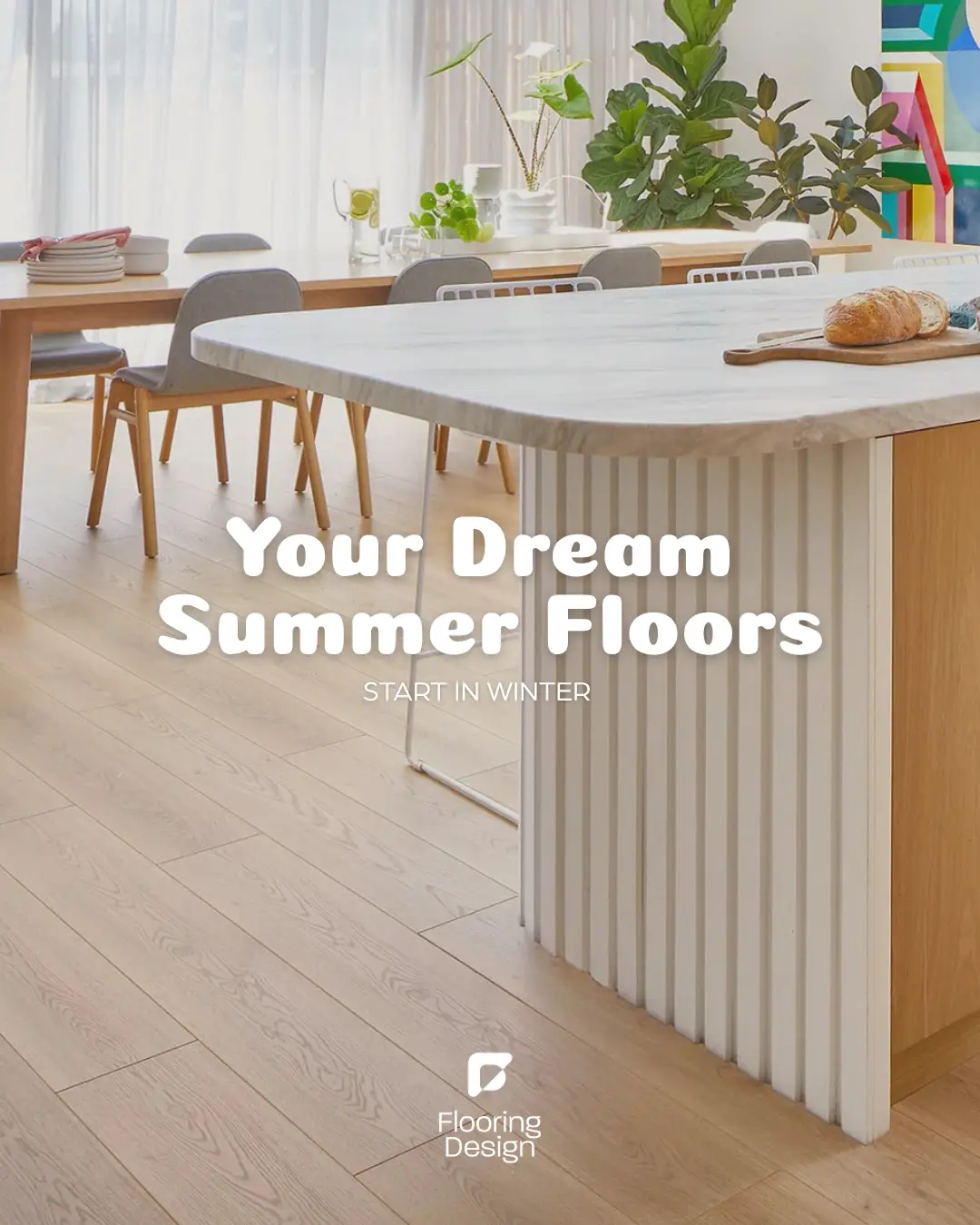
Neutral, timeless tones almost always look more expensive than trendy or very dark options. Light oak, warm greige (grey-beige), and soft stone tones are currently at the apex of NZ interior design trends — and they photograph beautifully, which matters for everything from real estate listings to Instagram.
Go Wider and Longer
Wide-plank LVP and laminate (200mm+ wide planks) looks significantly more premium than narrow planks. If you’re choosing between a narrow-plank budget option and a wider mid-range product, the wider format will nearly always read as higher-end.
Invest in a Quality Underlay
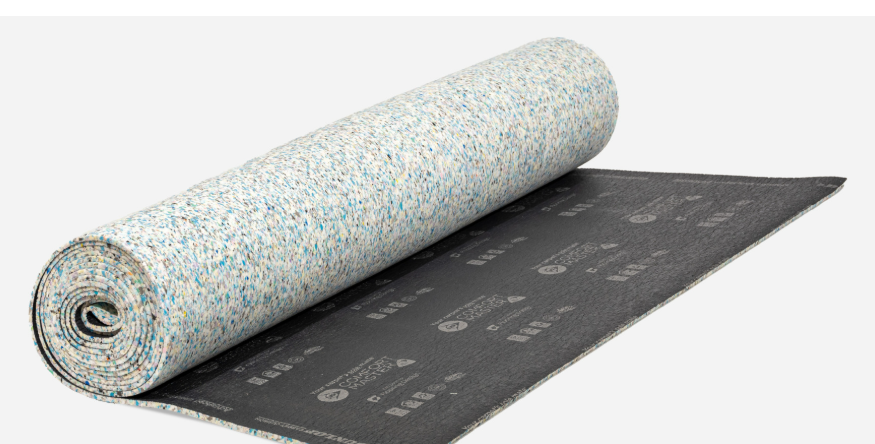
A good underlay costs $5–$12/m² but makes a dramatic difference to how your floor feels and sounds underfoot. Budget flooring with a quality underlay often feels and performs better than premium flooring with no underlay. Never skip this step.
Run the Flooring in a Consistent Direction
Running planks consistently from the front of the home toward the back, or lengthwise through open-plan spaces, creates a sense of flow and space that makes any flooring look more considered and designed.
Don’t Compromise on Installation
Even the best product looks cheap if it’s installed poorly. Use qualified flooring installers, ensure your subfloor is properly prepared, and don’t skip the acclimatisation process for floating floors. Professional installation typically costs more than DIY but pays for itself in the final result.
Recommended Budget-Premium Flooring Products for NZ Homes
Without recommending specific brands (as product availability and pricing change regularly), here is what to look for on the specification sheet when choosing a mid-range LVP:
- Wear layer: 0.5mm minimum, 0.7mm preferred
- Core: SPC (stone plastic composite) or WPC (wood plastic composite) rigid core for stability and comfort
- AC rating: AC4 minimum for residential high-traffic
- Warranty: 15+ years residential wear warranty as a minimum benchmark
- Water resistance: Fully waterproof (not just moisture resistant) for kitchen and living areas
The Bottom Line
You absolutely can have beautiful, premium-looking floors without spending premium prices. In 2025, mid-range LVP and quality laminate sit in a remarkable sweet spot where aesthetics, performance, and affordability converge. The key is knowing what to look for, avoiding the lowest price points that genuinely do look cheap, and investing appropriately in underlay and professional installation.
A well-chosen mid-range floor, properly installed, will look and perform fantastically for 15–25 years. That’s an outstanding return on a modest investment.
| READY TO TRANSFORM YOUR HOME? Want flooring that looks like a million dollars without the price tag? Our NZ flooring experts will show you exactly which products deliver premium aesthetics at honest prices. Visit our showroom or book a free home consultation — we love helping homeowners get more for their budget. Get a Free Quote Today → Visit us in-store or book a home consultation |