Walk into almost any flooring store in New Zealand and you will see customers running their hands across carpet samples, comparing colours, assessing pile depth, and agonising over which shade of greige best suits their lounge. What you rarely see is anyone paying the same attention to what goes underneath.
That is a problem because in almost every way that matters, underlay determines more about how your carpet performs than the carpet itself.
This guide explains why underlay deserves far more attention than it typically gets, what the right underlay actually does for your home, and how to tell the difference between products that will serve you well for a decade and those that won’t.
What Underlay Actually Does
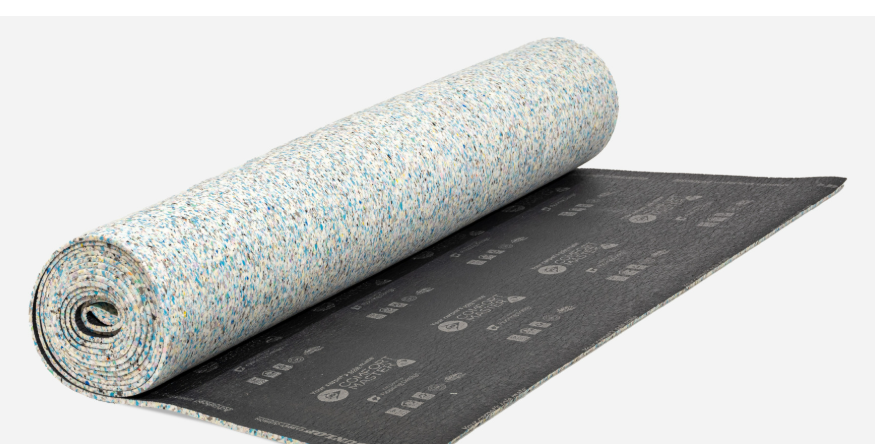
Underlay also called carpet cushion, is a layer of foam or rubber installed between the subfloor and the carpet. At its most basic, it makes the carpet softer underfoot. But that is only the beginning of what a good underlay does.
Think of underlay as the foundation of your flooring system. Just as a house built on a poor foundation will develop problems no matter how well the structure above it is built, a carpet laid on inadequate underlay will wear out faster, feel harder, perform worse thermally, and fail to live up to its potential regardless of how much you spent on the carpet itself.
1. It Dramatically Extends the Life of Your Carpet
This is the most important thing to understand about underlay, and it is the reason flooring professionals consistently tell people to prioritise it: a good underlay can double the lifespan of your carpet.
Every time someone walks across your carpet, the fibers are compressed downward and then spring back up. Without underlay, those fibers are compressed against a hard, unforgiving subfloor (concrete, timber, or particle board). Over time, that repeated compression causes the fibers to break down, mat together, and lose their ability to recover. The carpet begins to look flat and worn, particularly in the areas of highest traffic like hallways and living rooms.
Underlay acts as a shock absorber. It cushions each footfall so that the carpet fibers have something to compress into that gives way slightly, then returns the carpet to its original position. The result is a carpet that holds its appearance and texture for significantly longer.
This is not just a selling point; it is the reason that the joint Australian and New Zealand flooring installation standard (AS/NZS 2455.1:2007) specifies that underlay must have a service life no shorter than the carpet it supports. Replacing your carpet while keeping the old underlay underneath is explicitly not recommended: the worn compression patterns in the old underlay will reappear through your new carpet almost immediately, and doing so can also void your carpet warranty.
2. It Makes Your Home Warmer — and Reduces Energy Bills
New Zealand homes are famously cold. Our building stock lags behind much of the developed world for insulation, and a significant amount of heat is lost through floors, particularly where the subfloor is concrete or suspended timber with airflow beneath.
Underlay adds a meaningful thermal barrier between your carpet and the subfloor. In colder regions of New Zealand, such as the South Island; elevated areas of the North Island; and houses in cooler microclimates, this can make a genuine difference to how warm a room feels and how hard your heating has to work to maintain a comfortable temperature.
The thermal benefit is directly related to the density and thickness of the underlay. A thicker, denser product traps more air within its structure, providing better insulation. This is one of the reasons that buying the thickest, most dense underlay you can afford in your bedrooms and living spaces makes practical as well as comfort sense: it pays back over time in lower heating costs.
3. It Reduces Noise Between Floors and Rooms
For anyone living in a multi-storey home, apartment, or a house with children, noise transmission through floors is a real concern. Footsteps on an upper floor, the sound of a TV through a shared wall, voices carrying between rooms — all of these are amplified by hard surfaces and reduced by soft ones.
Quality underlay absorbs both footstep noise (impact sound) and airborne sound, reducing the amount that travels between levels. This is a significant benefit in apartments and townhouses, and it is worth considering for any room above a living space or below a bedroom.
The difference between a minimal underlay and a high-density option in acoustic performance is meaningful. If noise is a priority (and in many New Zealand homes it should be), underlay selection deserves careful attention.
4. It Provides Moisture Protection, Particularly on Concrete
Moisture is an issue in many parts of New Zealand. Coastal areas, homes with poor subfloor ventilation, and properties on concrete slabs are all at risk of moisture rising from below and affecting the carpet and its backing.
Modern quality underlays include moisture-resistant properties that protect both the carpet backing and the subfloor from dampness and the mould growth that comes with it. On concrete subfloors in particular, underlay is not optional; it is essential. Without it, moisture from the slab can wick upward into the carpet, creating the conditions for mould, unpleasant odours, and degradation of the carpet backing over time.
If your home has a concrete subfloor, either throughout or in specific rooms, the moisture protection provided by a good underlay is one of its most important properties for long-term indoor air quality and carpet health.
5. It Makes Your Carpet Feel Significantly Better Underfoot
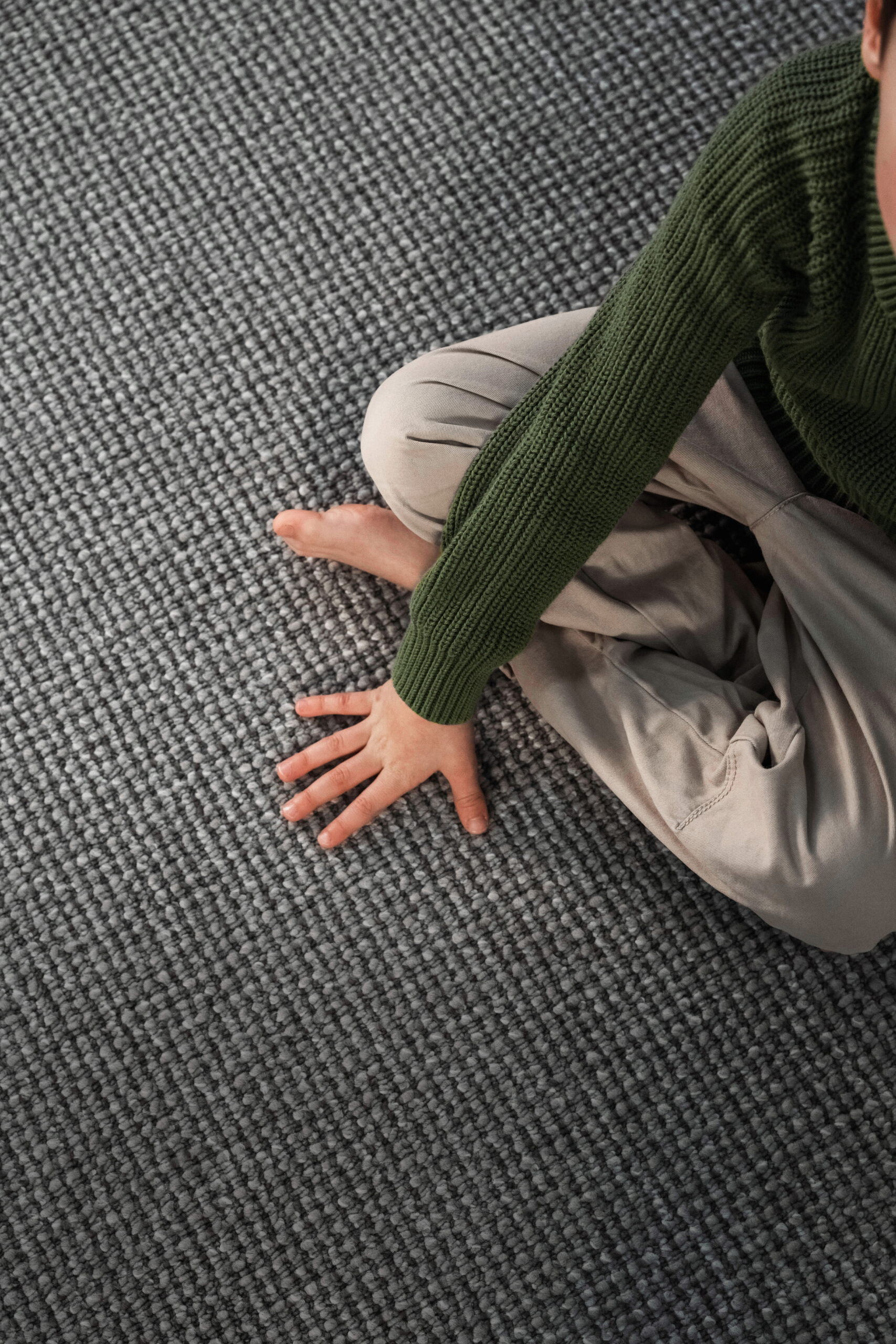
It is worth stating the obvious: carpet feels better with good underlay beneath it. The difference between walking on a carpet laid over a thin, low-density underlay and walking on the same carpet over a quality cushion is immediately and unmistakably apparent.
There is a reason the classic flooring advice is “save on the carpet, spend on the underlay.” A mid-range carpet on an excellent underlay will feel more luxurious than a premium carpet on an inadequate one. The cushioning provided by the underlay creates that springy, comfortable feel that most people associate with a high-quality carpet, and without it, even the most expensive carpet can feel flat and hard underfoot.
This is not a minor quality-of-life detail. Consider how much time you spend standing, sitting, and walking on your flooring every day. Underlay is the component that determines whether your floors feel like a genuine comfort or a disappointing afterthought.
Understanding Thickness and Density: What the Numbers Mean
When comparing underlays, two numbers matter most: thickness and density.
Thickness is measured in millimeters. In New Zealand, underlays typically range from around 9.5mm to 12mm. Thicker underlay provides more cushioning and better insulation, though in very high-traffic areas a slightly firmer underlay can prevent excessive pile movement in looped or textured carpets.
Density is measured in kilograms per cubic meter. This number represents how much foam is packed into each cubic meter of the product, essentially how much air versus how much material is in the underlay. A higher density (say, 125kg/m³ versus 90kg/m³) means a more resilient, better-performing product that will maintain its structure over time rather than compressing flat. As a general guide, the higher both numbers, the better the underlay.
The relationship between the two matters. A thick underlay with low density may feel luxurious initially but compress quickly and lose its performance. A denser underlay at moderate thickness may outlast and outperform a thicker product with less material packed in.
Do Not Skimp on Underlay to Save Money on the Carpet
This is one of the most common flooring mistakes New Zealand homeowners make, and it is worth addressing plainly.
“Free underlay” promotions offered by some retailers are worth treating with caution. As Consumer NZ notes, free underlay deals can be a false economy; the quality of the underlay provided may not be suited to the carpet it is being paired with, and nearly all underlays feel acceptable when first installed. The real test is how they perform over the following eight to ten years.
Underlay is also one of the most cost-effective ways to improve the overall performance of a carpet purchase. Spending a little more on underlay and slightly less on the carpet itself is generally a better investment than the reverse because better underlay extends the life of whatever carpet goes above it, improves comfort immediately, and provides thermal and acoustic benefits that persist for the life of the installation.
Why We Partner with Dunlop Carpet Cushion
At Flooring Design, we partner with Dunlop Carpet Cushion, New Zealand’s most trusted underlay manufacturer, because their approach to product quality aligns with how we think about flooring.
Dunlop is the only manufacturer and supplier of carpet cushion in New Zealand independently certified to the SAI Global 5 Ticks mark, meaning their products exceed the recognised New Zealand standard for soft underlays (AS4288:2003). They are also the only New Zealand manufacturer certified to the Carpet and Rug Institute’s Green Label Plus program, which independently tests for volatile organic compound (VOC) emissions important for indoor air quality, particularly for households with children or allergy sufferers.
Their underlays are made in New Zealand using the Maxbond™ Cushioning System, a proprietary manufacturing process developed to maximise consistency, performance, and comfort output per kilogram of foam. The result is a product that delivers more from every element of its construction, rather than bulking up thickness with air and low-grade materials.
Critically, Dunlop guarantees their carpet cushion for the life of the carpet. That is not a common offer in the underlay market, and it reflects genuine confidence in product performance over the long term.
A Note on Reusing Old Underlay
One question that comes up regularly during carpet replacement is whether existing underlay can be kept to save money. The clear answer is no, and it is not just a sales tactic to tell you so.
Old underlay carries the compression patterns of the previous carpet. Those patterns will transfer through to your new carpet quickly, causing uneven wear and reducing the performance of the new installation from day one. Reusing old underlay can also compromise your new carpet’s warranty under AS/NZS 2455.1:2007, which specifies that underlay must have a service life equivalent to the carpet above it. Unless the existing underlay is in genuinely excellent condition and is being confirmed as compatible by your flooring installer, replacing it alongside the carpet is always the right call.
The Bottom Line
Underlay is not a secondary consideration; it is a foundational one. The right underlay extends the life of your carpet, makes your home warmer, reduces noise, protects against moisture, and makes every step across your floor more comfortable. Skimping on it to save money on the overall job is a false economy that shows up in worn carpet, cold floors, and disappointment within a few years.
When you are budgeting for new carpet, give underlay the weight it deserves. Your carpet will look better for longer, your home will feel better to live in, and the investment will serve you well for years to come.
To find out which underlay is the right match for your carpet and subfloor, visit your nearest Flooring Design store. Our team will walk you through the options and make sure you are getting a complete flooring system, not just a carpet.
Find your nearest Flooring Design store at flooringdesign.co.nz