Carpet flooring provides warmth, comfort, and sound insulation, but it’s not without its downsides. Common disadvantages include stain susceptibility, allergen build-up, and higher maintenance compared to hard flooring options like vinyl, laminate, or hybrid.
Is Carpet Flooring Right for You? Consider These Drawbacks First
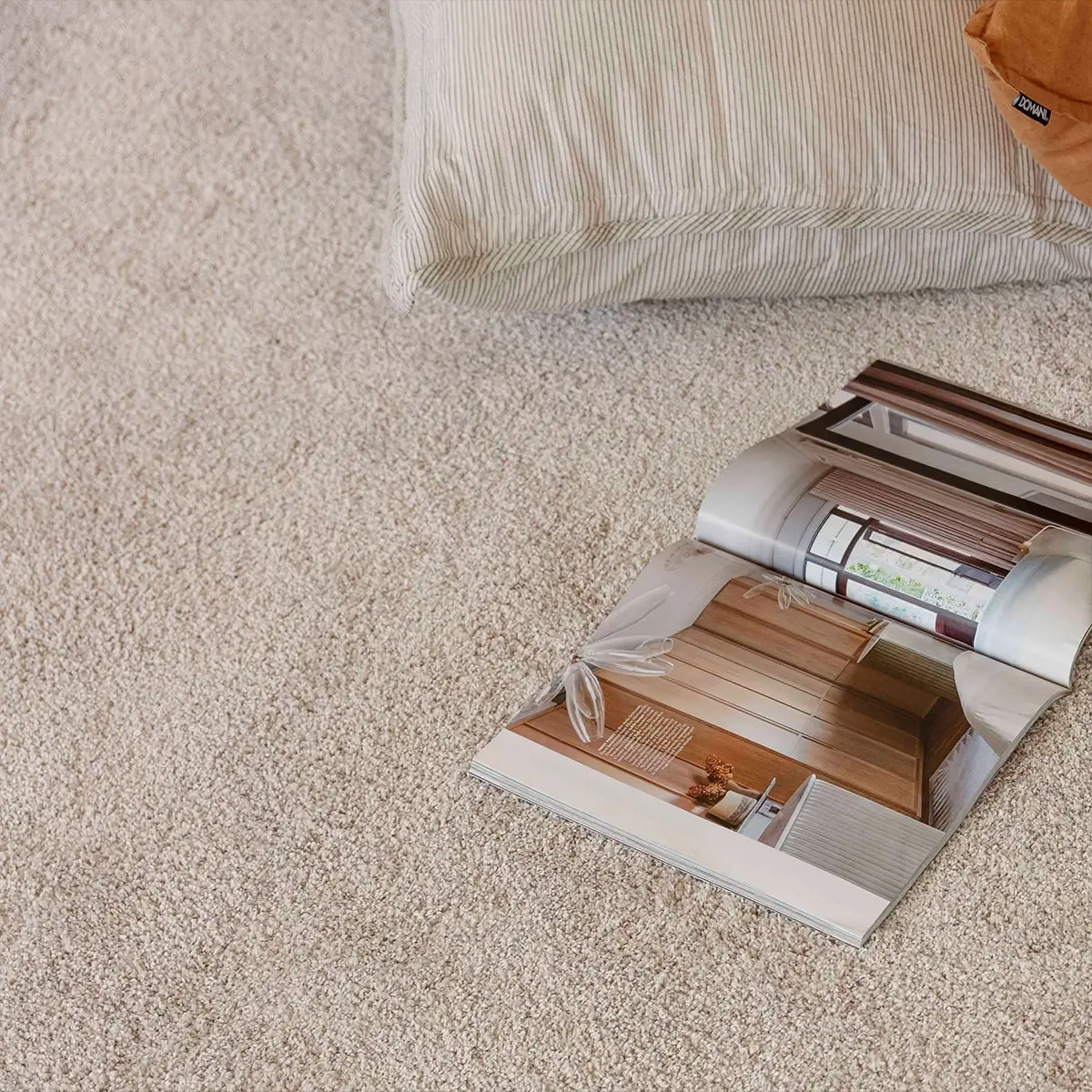
Carpet flooring remains one of the most popular choices in New Zealand homes, particularly in bedrooms, lounges, and other comfort-focused spaces. It is known for its warmth underfoot, soft texture, and ability to reduce noise—qualities that suit many Kiwi households, especially in cooler regions.
However, carpet is not the perfect flooring solution for every home. While it offers clear lifestyle benefits, it also comes with disadvantages that are often overlooked during the decision-making process.
If you’re searching for carpet disadvantages in NZ homes or trying to decide is carpet flooring right for my lifestyle?, this guide breaks down the key drawbacks you should consider before committing.
Why Carpet Is Still So Popular in New Zealand
Before looking at the disadvantages, it’s important to understand why carpet remains widely used.
Carpet is often chosen because it:
- Provides warmth in colder climates and uninsulated homes
- Creates a soft, comfortable surface underfoot
- Reduces noise between rooms and floors
- Offers a wide range of colours, textures, and price points
- Is generally more affordable upfront than some hard flooring options
Despite these advantages, carpet is not always the most practical long-term solution—especially in busy households, rentals, or high-traffic areas.
Key Disadvantages of Carpet Flooring
1. Stain Susceptibility
One of the biggest drawbacks of carpet flooring is how easily it absorbs spills.
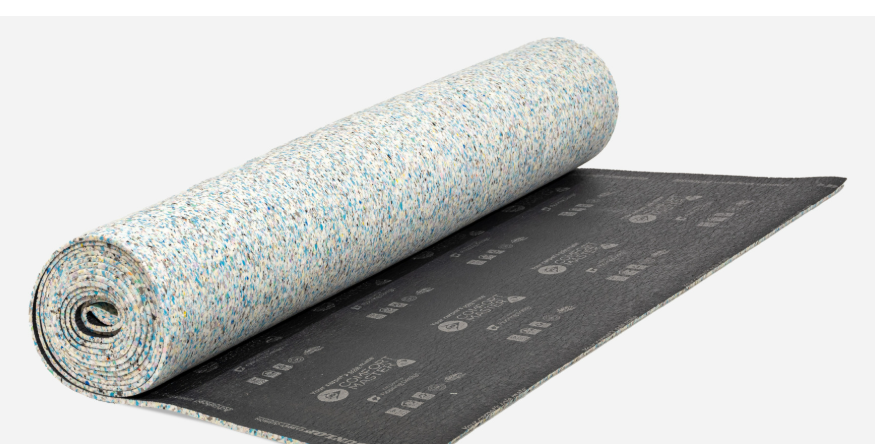
Unlike hard flooring options such as vinyl, laminate, or hybrid flooring, carpet is porous. This means liquids can quickly soak into the fibres and underlay.
Common issues include:
- Wine, coffee, juice, and food spills leaving permanent marks
- Pet accidents being difficult to fully remove
- Light-coloured carpets showing stains more visibly
- DIY cleaning often only treating the surface, not the underlay
Even modern stain-resistant carpets are not completely stain-proof. They are designed to slow absorption, not eliminate it. If spills are not treated immediately, there is a high chance of long-term discolouration or odour retention.
For households with young children, pets, or frequent entertaining, this can become a significant ongoing challenge.
2. Ongoing Maintenance
Carpet requires more regular maintenance than most hard flooring options.
To keep it looking and performing well, homeowners typically need to:
- Vacuum at least 2–3 times per week in high-use areas
- Spot-clean spills immediately
- Move furniture occasionally to prevent pressure marks
- Schedule professional deep cleaning every 12–24 months
Over time, dirt, dust, and oils become embedded in carpet fibres. Even if the surface looks clean, particles can accumulate beneath the surface.
This ongoing maintenance makes carpet less appealing for busy households or those wanting a low-maintenance flooring solution.
In comparison, options like vinyl or laminate can often be maintained with simple sweeping and occasional mopping.
3. Allergen Accumulation
Carpet can act like a filter, trapping airborne particles such as:
- Dust mites
- Pet hair and dander
- Pollen
- General household dust
While this can improve air quality temporarily by trapping particles, it becomes an issue when carpets are not cleaned regularly.
For allergy or asthma sufferers, this is one of the most significant disadvantages of carpet flooring. When disturbed—such as during vacuuming or walking—these particles can become airborne again.
In contrast, hard flooring surfaces are easier to clean thoroughly and do not retain allergens in the same way.
If someone in your household has respiratory sensitivities, this factor should be carefully considered when choosing flooring.
4. Faster Wear in High-Traffic Zones
Carpet does not wear evenly across all areas of the home.
High-traffic zones such as:
- Hallways
- Stairs
- Living room walkways
- Entryways
are more prone to visible wear patterns over time.
Common signs of wear include:
- Flattening of fibres
- Matting or “traffic lanes”
- Discolouration in frequently used paths
- Loss of softness and bounce
Even high-quality carpet will eventually show signs of use in these areas. While regular cleaning and rotation of furniture can help, carpet generally does not maintain its original appearance as long as hard flooring alternatives.
This means replacement cycles may be shorter depending on household activity levels.
5. Moisture and Mould Risk
Carpet is not ideal in environments where moisture is present or difficult to control.
If carpet becomes wet and is not dried properly, it can:
- Develop mould or mildew underneath
- Retain unpleasant odours
- Damage underlay and subflooring
- Require full replacement in severe cases
This makes carpet less suitable for:
- Bathrooms
- Laundry rooms
- Poorly ventilated spaces
- Homes in high-humidity areas
Even small leaks or repeated dampness can lead to long-term issues that are expensive to fix.
Hard flooring options such as vinyl or tile are generally much more resistant to moisture-related damage.
6. Shorter Lifespan Compared to Hard Flooring
While carpet can last many years with proper care, it typically has a shorter lifespan than many hard flooring alternatives.
On average:
- Budget carpet: 5–8 years
- Mid-range carpet: 8–12 years
- Premium wool carpet: 10–15+ years (with excellent care)
By comparison, quality vinyl, laminate, or hybrid flooring can last significantly longer in high-traffic environments.
Carpet replacement costs can also add up over time, especially in larger homes or rental properties where turnover is more frequent.
Carpet vs Hard Flooring: A Practical Comparison
When comparing carpet to alternatives like vinyl, laminate, or hybrid flooring, the key differences often come down to lifestyle needs.
Carpet is best for:
- Bedrooms
- Media rooms
- Low-traffic living spaces
- Homes prioritising warmth and comfort
Hard flooring is better for:
- Kitchens and dining areas
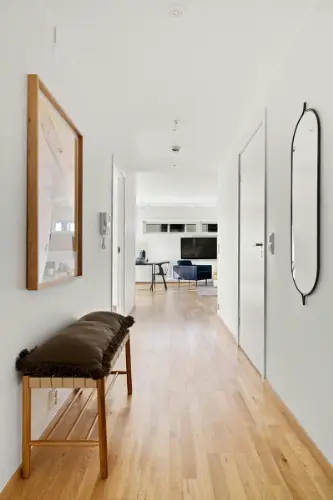
- Entryways and hallways
- Homes with pets or young children
- Allergy-sensitive households
- High-traffic or rental properties
Many modern homes in New Zealand now use a hybrid approach—carpet in comfort areas and hard flooring in functional zones.
Should You Avoid Carpet Altogether? Not Necessarily.
Despite its disadvantages, carpet still plays an important role in many New Zealand homes.
It offers:
- Warmth in colder climates
- Noise reduction between rooms and floors
- Comfort in bedrooms and lounges
- A softer, more inviting aesthetic
The key is not whether carpet is “good or bad,” but whether it suits your specific lifestyle.
For example:
- A quiet, low-traffic home may benefit greatly from carpet
- A busy family home with pets may struggle with maintenance demands
- A rental property may prioritise durability over comfort
Choosing the right flooring is about balancing comfort, practicality, and long-term cost.
In high-use or spill-prone areas, you may want to consider pairing carpet with more durable flooring types like hybrid, laminate, or vinyl.
How to Reduce Carpet Disadvantages
If you do choose carpet, there are ways to minimise its downsides:
- Choose darker or patterned carpets to hide stains
- Invest in high-quality stain-resistant fibres
- Use entry mats to reduce dirt tracking
- Vacuum frequently using a HEPA filter vacuum
- Treat spills immediately
- Schedule professional cleaning regularly
These steps can significantly extend the lifespan and appearance of your carpet.
Still Unsure Whether Carpet Is the Right Choice? Let’s Chat.
Every home is different—and so are your flooring priorities. If you’re not sure whether to choose carpet or explore other options, our flooring experts can help guide you based on your budget, lifestyle, and room use.
Drop into your local Flooring Design showroom to see, feel, and compare carpet with other flooring types. We’ll help you find the perfect fit—whether that’s plush wool carpet or low-maintenance vinyl plank.
Explore our flooring range online or talk to your nearest store for friendly, expert advice.